

Gearbox Backlash Problems: Causes and Solutions
Gearbox backlash problems are a common source of noise, vibration, positioning errors, and accelerated wear in industrial power transmission systems. While some amount of backlash is necessary for proper operation, excessive or uneven backlash is a clear sign that something is wrong inside the gearbox.
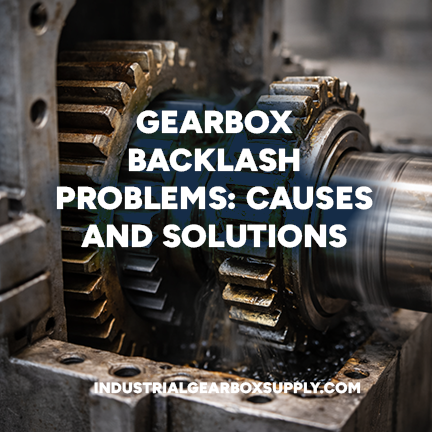
Understanding what causes gearbox backlash problems and how to address them helps prevent premature failure, improve system accuracy, and extend gearbox life.
This guide explains what backlash is, why backlash problems occur, and how to correct them.
What Is Gearbox Backlash?
Backlash is the amount of free rotational movement between meshing gear teeth when the direction of rotation changes. It is intentionally designed into gear systems to allow for lubrication, thermal expansion, and smooth engagement.
A small, controlled amount of backlash is normal. Gearbox backlash problems occur when backlash becomes excessive, uneven, or changes unexpectedly over time.
Why Gearbox Backlash Matters
Excessive backlash affects more than just noise.
Backlash problems can cause delayed motion response, impact loading during direction changes, increased vibration, accelerated gear tooth wear, and reduced positional accuracy. In precision applications, backlash issues can severely degrade performance.
Left uncorrected, backlash problems often lead to secondary damage in bearings, shafts, and gear teeth.
Common Causes of Gearbox Backlash Problems
Gear Tooth Wear
The most common cause of increased backlash is gear tooth wear.
As gears wear over time, material is removed from the tooth flanks, increasing clearance between mating gears. This wear is accelerated by poor lubrication, contamination, overload, and misalignment.
Gear wear-related backlash typically develops gradually and worsens under load.
Bearing Wear or Failure
Bearings control shaft position inside the gearbox.
When bearings wear or lose preload, shafts shift under load, increasing effective backlash. This type of backlash often appears suddenly and may vary depending on load direction.
Bearing-related backlash problems are frequently accompanied by increased vibration and noise.
Improper Gear Adjustment
Some gearboxes allow backlash adjustment during assembly or maintenance.
Incorrect setup, improper shim selection, or inaccurate adjustment procedures can result in excessive backlash from the start. In these cases, backlash problems may appear immediately after installation or rebuild.
Misalignment
Misalignment between the gearbox, motor, or driven equipment affects how gear teeth engage.
Angular or parallel misalignment causes uneven contact across the gear teeth, accelerating localized wear and increasing backlash. Misalignment-related backlash often worsens under load.
Overload and Shock Loading
Excessive torque and shock loading accelerate gear and bearing wear.
Frequent starts and stops, impact loads, or sudden reversals place high stress on gear teeth. Over time, this damage increases backlash and leads to impact noise during direction changes.
Thermal Effects
Temperature changes affect gear tooth clearance.
Excessive heat causes thermal expansion that can temporarily reduce backlash, while cooling can increase it. Repeated thermal cycling accelerates wear and contributes to long-term backlash problems.
Symptoms of Gearbox Backlash Problems
Common signs of backlash problems include clunking or knocking noises during direction changes, delayed response when reversing direction, increased vibration, uneven load transfer, and reduced positioning accuracy.
In severe cases, backlash problems may cause visible shaft movement or repeated seal failures.
How to Diagnose Gearbox Backlash Problems
Diagnosis should begin with observing system behavior during direction changes.
Listen for impact noise or clunking sounds and monitor vibration levels. Measure backlash if access allows, comparing results to manufacturer specifications.
Inspect lubrication condition, bearing health, and alignment. Oil analysis may reveal gear wear debris that contributes to backlash issues.
Changes in backlash over time are often more concerning than absolute backlash values.
Solutions for Gearbox Backlash Problems
Corrective action depends on the root cause.
If backlash is due to gear wear, internal repair or replacement may be required. Bearing-related backlash issues often require bearing replacement or preload correction.
Misalignment should be corrected using proper alignment tools and procedures. In gearboxes with adjustable backlash, proper setup following manufacturer guidelines is critical.
In high-shock or reversing applications, selecting a gearbox designed for low backlash or higher load capacity can significantly improve performance.
How to Prevent Gearbox Backlash Problems
Preventive measures include maintaining proper lubrication, controlling contamination, ensuring correct alignment, and avoiding overload conditions.
Regular monitoring of noise, vibration, and lubricant condition helps detect backlash problems early before severe damage occurs.
Selecting the correct gearbox for torque, duty cycle, and application requirements is one of the most effective ways to prevent backlash issues.
When Backlash Indicates Replacement Is Necessary
Replacement should be considered when backlash exceeds acceptable limits, internal wear is advanced, or when corrective actions fail to stabilize operation.
Continuing to operate a gearbox with severe backlash problems increases the risk of sudden failure and collateral equipment damage.
Choosing a properly sized replacement gearbox with appropriate backlash control helps restore performance and reliability.
Final Thoughts
Gearbox backlash problems are not just an annoyance—they are a clear indicator of internal wear, misalignment, or improper setup.
Understanding the causes of backlash and addressing them early prevents accelerated damage, improves system performance, and extends gearbox life.
If you need help evaluating gearbox backlash problems or selecting the right replacement solution for your application, IndustrialGearboxSupply.com can help guide you toward the correct solution.