

Gearbox Overheating: Causes, Symptoms, and How to Fix It
Gearbox overheating is one of the most common—and most damaging—problems in industrial power transmission systems. When a gearbox runs hotter than it should, lubrication breaks down, internal components wear faster, efficiency drops, and the risk of sudden failure increases significantly.
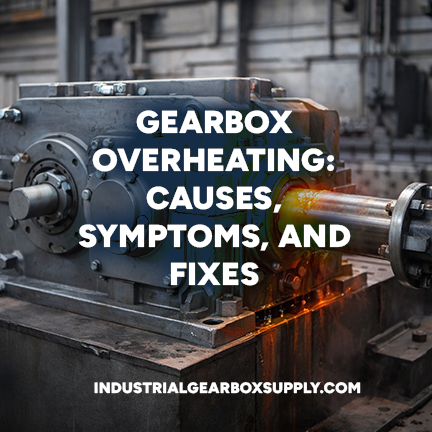
The good news is that gearbox overheating almost always provides early warning signs. In many cases, the root cause can be identified and corrected before serious damage occurs.
This guide explains what causes gearbox overheating, how to recognize the symptoms, and what steps you can take to fix the problem and prevent it from happening again.
What Is Considered Gearbox Overheating?
Most industrial gearboxes are designed to operate within a specific temperature range.
Normal operating range is typically between 140°F and 180°F (60°C to 82°C).
Temperatures between 180°F and 200°F (82°C to 93°C) indicate caution and should be investigated.
Temperatures consistently above 200°F (93°C) are considered dangerous and often lead to rapid lubricant failure and internal damage.
Operating above recommended limits accelerates oil oxidation, increases friction, and dramatically shortens gearbox life.
Common Causes of Gearbox Overheating
Incorrect Lubrication
Lubrication problems are the most common cause of gearbox overheating.
Typical lubrication-related issues include using the wrong oil viscosity, using an incompatible lubricant type, insufficient oil levels, overfilling the gearbox, or running oil that has degraded due to age, heat, or contamination.
When proper lubrication is lost, friction increases quickly, causing rapid temperature rise.
Excessive Load or Torque
A gearbox that is consistently operating beyond its rated torque or load capacity will generate excess heat, even if lubrication is correct.
This often occurs when equipment has been modified without resizing the gearbox, when shock loads exceed design limits, or when startup torque is higher than anticipated. An undersized gearbox will overheat under continuous overload conditions.
Misalignment
Misalignment between the gearbox, motor, or driven equipment causes uneven loading on gears and bearings.
This leads to increased friction, localized hot spots, and accelerated wear. Even small alignment errors can significantly raise operating temperatures over time.
Poor Ventilation or Restricted Airflow
Gearboxes rely on airflow and surface area to dissipate heat.
Overheating can occur if cooling fins are clogged with dirt or debris, if the gearbox is installed in an enclosed space without adequate ventilation, or if ambient temperatures are higher than expected. High ambient heat combined with restricted airflow compounds the problem.
Internal Mechanical Damage
Internal wear or damage increases friction and heat generation.
Common contributors include worn or spalled bearings, pitted or damaged gear teeth, and excessive backlash. These issues often produce both overheating and abnormal noise.
Symptoms of an Overheating Gearbox
Early detection is critical to preventing catastrophic failure.
Common warning signs include a surface temperature noticeably hotter than normal, a burning or acrid odor from the lubricant, oil discoloration or foaming, increased vibration or unusual noise, reduced efficiency, inconsistent output speed, and frequent seal failures or oil leaks.
Ignoring these symptoms typically leads to accelerated internal damage.
How to Diagnose Gearbox Overheating
Start by measuring the actual operating temperature using an infrared thermometer or thermal camera. Compare the readings to manufacturer specifications and to historical baseline temperatures. Sudden increases are especially concerning.
Next, inspect lubrication. Verify oil level, oil condition, and lubricant type. Oil that smells burnt, appears dark, or has thickened significantly may already be compromised.
Review load conditions by comparing actual operating torque to the gearbox’s rated capacity. Consider duty cycle, startup torque, and exposure to shock loads. Changes in application conditions often explain unexpected overheating.
Finally, check alignment and mounting. Inspect shaft alignment, mounting flatness, and fastener tightness. Misalignment often shows up as uneven wear patterns and elevated bearing temperatures.
How to Fix Gearbox Overheating
Correcting lubrication issues is often the fastest solution. Drain and replace degraded oil, switch to the correct viscosity grade, follow manufacturer lubrication intervals, and ensure the oil level is correct without overfilling.
If excessive load is the cause, verify application torque requirements and duty cycle. Installing soft starters or variable frequency drives can reduce startup stress. In cases of continuous overload, upsizing the gearbox may be necessary.
Improving cooling can also reduce operating temperature. Clean cooling fins, improve airflow around the gearbox, and remove obstructions. In high-heat environments, auxiliary cooling may be required.
If overheating persists after lubrication and alignment checks, internal mechanical issues should be investigated. Bearings, gears, and backlash should be inspected for wear or damage. At this point, repair or replacement decisions may be required.
How to Prevent Gearbox Overheating
Preventive measures include routine temperature monitoring, scheduled oil analysis, proper gearbox sizing during system design, regular alignment checks, and keeping housings clean and well ventilated.
Preventive maintenance is far less costly than unplanned downtime or emergency replacement.
When Overheating Indicates Replacement Is the Better Option
In some cases, overheating has already caused internal damage severe enough to make continued operation risky.
Replacement should be considered if bearings are heavily worn, gear teeth show pitting or scoring, lubricant repeatedly breaks down quickly, or the cost and risk of downtime outweigh the cost of replacement.
Selecting the correct replacement gearbox helps prevent the same overheating issues from recurring.
Final Thoughts
Gearbox overheating is never normal. It is a clear indicator that something in the system needs attention, whether lubrication, load, alignment, cooling, or internal condition.
Identifying the cause early and applying the proper corrective action can significantly extend gearbox life, reduce downtime, and protect your equipment investment.
If you need help selecting the correct gearbox, lubricant, or replacement option, IndustrialGearboxSupply.com can help guide you toward the right solution for your application.