

How Ambient Temperature Affects Gearbox Performance
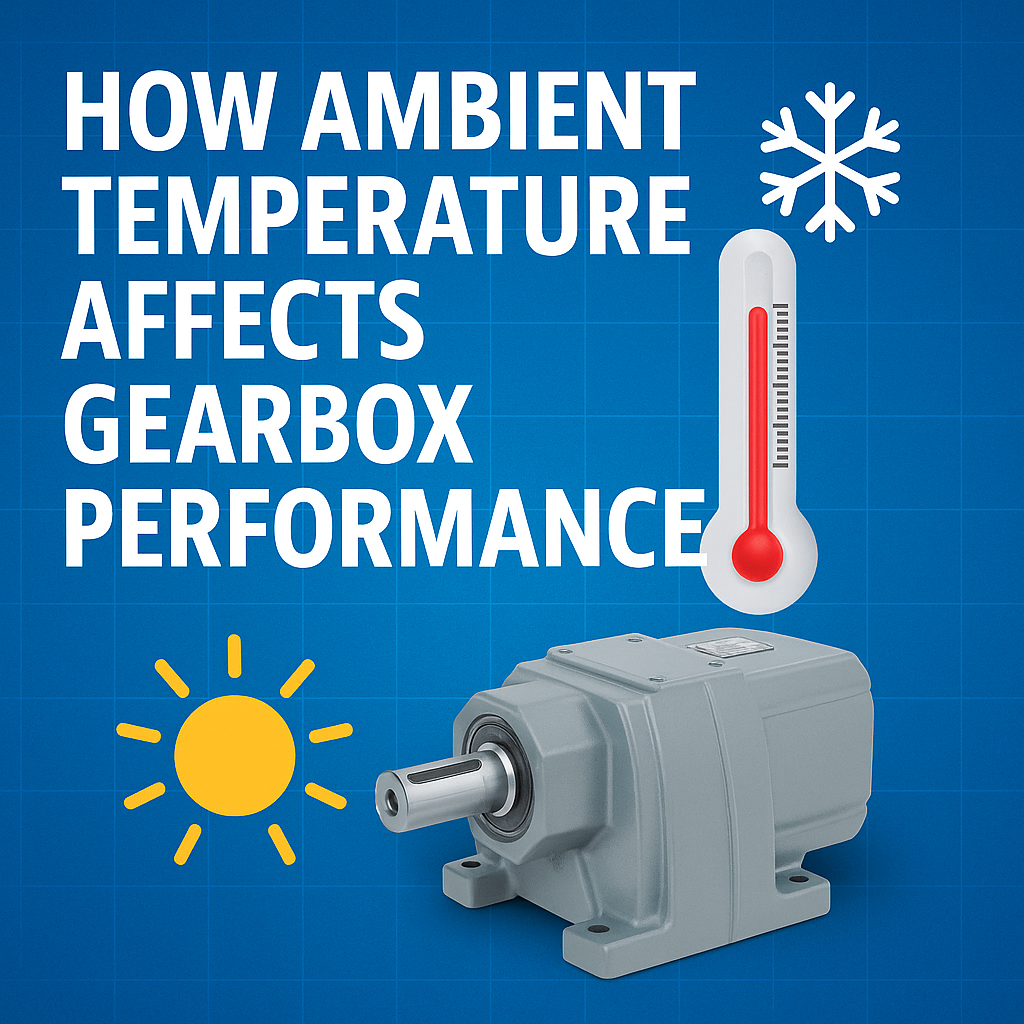
Ambient temperature is one of the most overlooked yet crucial factors affecting gearbox performance. Extreme heat or cold can change oil viscosity, increase wear, and shorten component life. Understanding how temperature impacts your gearbox helps ensure reliability, prevent premature failures, and maintain optimal performance year-round.
The Role of Temperature in Gearbox Operation
Temperature directly affects both the oil and the internal metal components of your gearbox. Gearboxes are designed to operate within a specific temperature range—typically between 40°F and 200°F (4°C to 93°C). Going above or below these limits can alter performance dramatically.
When the ambient environment runs hotter or colder than the gearbox’s design specifications, the lubricant’s properties and the material tolerances of gears, bearings, and seals can shift, leading to higher friction and energy loss.
High Temperature Effects
Excessive heat is one of the most common causes of gearbox degradation. It can result from environmental conditions, high loads, or insufficient lubrication.
Common issues caused by high ambient temperatures include:
Oil thinning: Reduced viscosity causes film breakdown and increased metal contact.
Oxidation: Heat accelerates oil oxidation, forming varnish and sludge.
Seal hardening: Gaskets and seals lose elasticity, causing leaks.
Gear wear: Elevated friction accelerates pitting and scoring on gear teeth.
Prevention tips:
Use synthetic oil with higher thermal stability.
Install heat exchangers or cooling fans for continuous-duty gearboxes.
Check oil levels frequently and replace oxidized lubricant promptly.
Low Temperature Effects
Cold environments can be equally damaging. Thickened oil can’t flow properly through gears and bearings, starving components of lubrication during startup.
Common problems in low-temperature conditions:
High startup torque: Causes strain on shafts and bearings.
Poor lubrication flow: Leads to micro-scuffing and slow wear.
Condensation: Moisture buildup from temperature fluctuations may cause corrosion.
Prevention tips:
Choose low-pour-point synthetic oils rated for cold weather.
Allow machinery to warm up gradually before applying heavy loads.
Consider gearbox heaters or insulated enclosures for extreme cold.
Selecting Lubricants for Temperature Stability
Lubricant selection plays a key role in mitigating temperature-related risks.
Use ISO VG viscosity grades appropriate for the operating range.
For mixed climates, choose multi-viscosity synthetic oils with stable film strength across temperature swings.
Always check the manufacturer’s specs for the acceptable ambient operating range.
Design and Maintenance Considerations
If your application operates outdoors or in variable climates, consider:
Thermally balanced gearbox designs with optimized housing materials.
Breather filters to prevent pressure changes from pulling in moisture.
Regular oil analysis to detect viscosity changes or contamination.
Temperature sensors for continuous monitoring in critical systems.
Conclusion
Whether you’re operating in the heat of a foundry or the cold of a warehouse floor, ambient temperature plays a pivotal role in gearbox reliability. By selecting the right oil, maintaining proper seals, and using temperature control accessories, you can extend gearbox lifespan and prevent costly downtime.
At Industrial Gearbox Supply, we help customers identify gearboxes and lubricants designed for their unique environments. Contact our experts to find the perfect match for your operating conditions.
Call (517) 858-2966 or visit IndustrialGearboxSupply.com for expert recommendations on gearbox selection and lubrication.