

Parallel Shaft Gearbox: Benefits, Applications, and Selection Tips
Learn about parallel shaft gearbox options. Then ensure optimal performance through precise torque and speed alignment.
What Is a Parallel Shaft Gearbox?
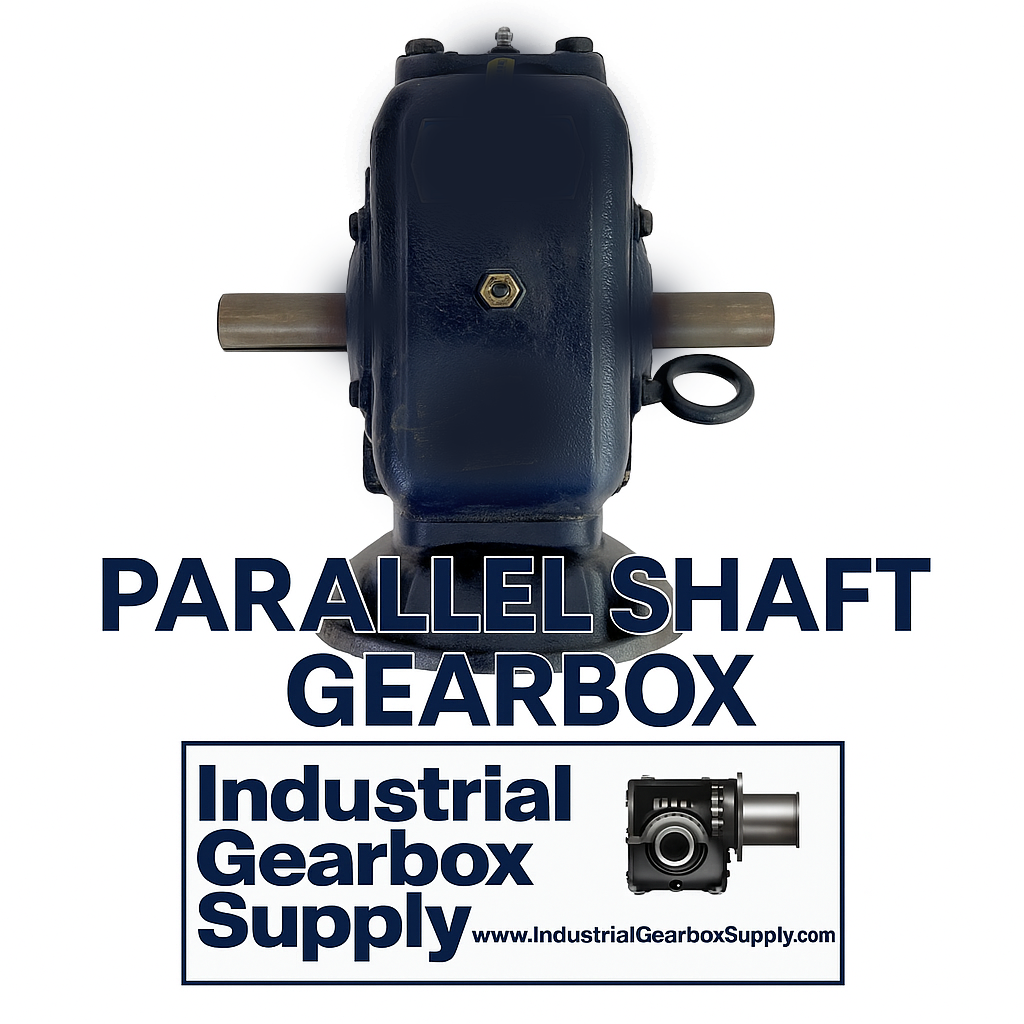
A parallel shaft gearbox is a type of industrial gear reducer where the input and output shafts are aligned in parallel. This design allows for efficient power transmission, minimal axial space, and excellent torque delivery—making it ideal for material handling, conveyor systems, mixers, and various heavy-duty applications.
How a Parallel Shaft Gearbox Works
In a parallel shaft gearbox, gears are arranged on shafts that run parallel to each other. The gear train transfers power from the motor to the driven equipment through meshing helical or spur gears, depending on the design.
Key Internal Components:
Input Shaft: Receives power from the motor
Gear Train: Helical or spur gears for torque multiplication
Output Shaft: Transfers the reduced-speed, increased-torque output
Bearings & Seals: Maintain alignment and reduce wear
This configuration reduces axial load and allows for a lower profile installation compared to right-angle gearboxes.
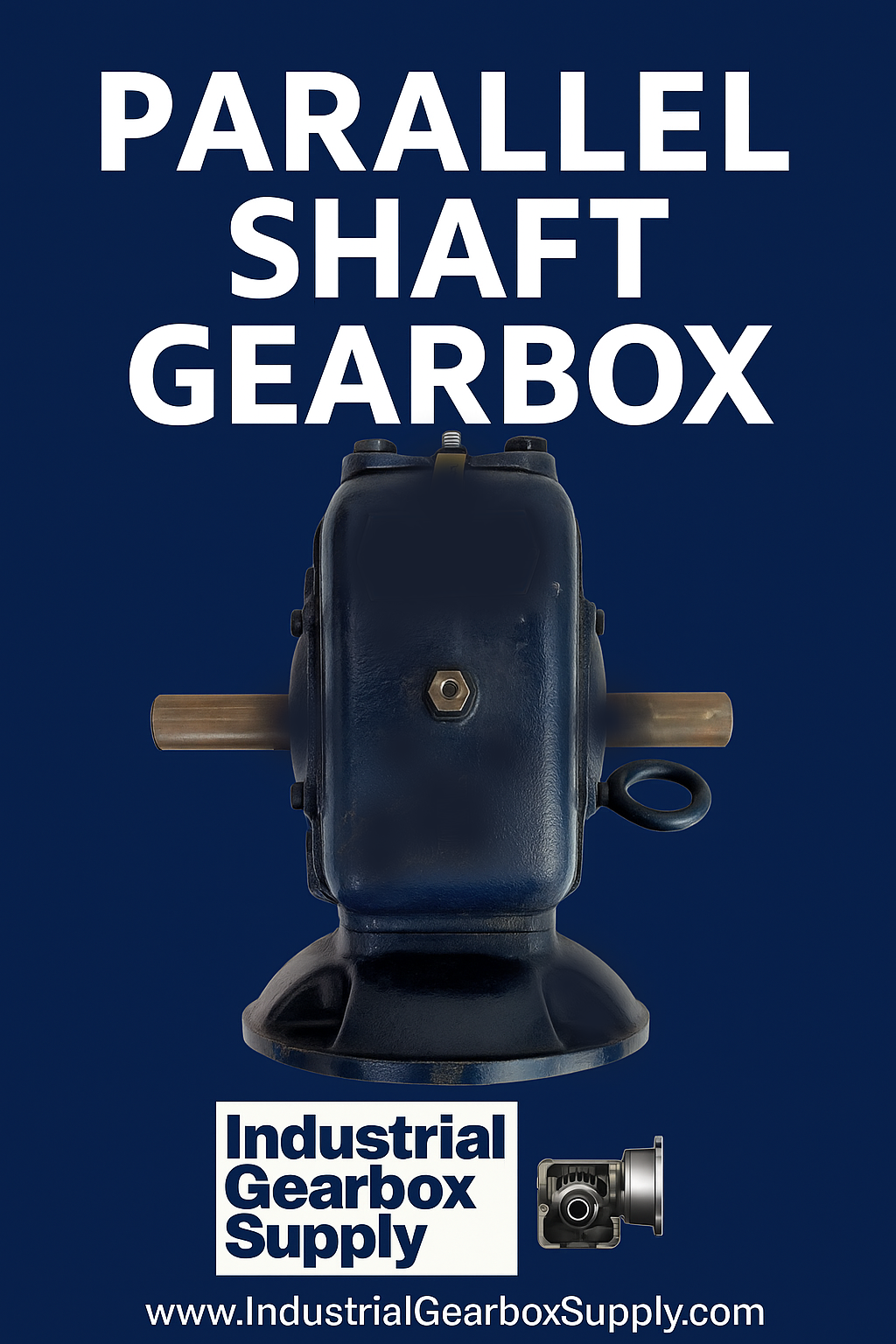
Advantages of Parallel Shaft Gearboxes
✔ Compact footprint: Slim design ideal for space-constrained environments
✔ High torque density: Efficient power transmission for demanding applications
✔ Versatile mounting options: Flange mount, foot mount, and shaft-mount configurations
✔ Quiet operation: Especially when using helical gears
✔ Greater energy efficiency: Lower energy loss than worm gears
Common Applications
Parallel shaft gearboxes are frequently used in:
Conveyor systems (baggage handling, manufacturing lines)
Mixers and agitators (food processing, chemical plants)
Cranes and hoists
Packaging machines
Textile and printing equipment
Parallel Shaft vs Right Angle Gearbox
| Feature | Parallel Shaft Gearbox | Right Angle Gearbox |
|---|---|---|
| Shaft Alignment | Parallel | Perpendicular |
| Efficiency | High (especially helical) | Lower (if worm gear) |
| Space Orientation | Compact in length | Compact in width |
| Noise | Lower | Moderate to high |
| Application Fit | Long conveyor lines, inline drives | Corner turns, limited space installs |
Gear Types Used
Parallel shaft gearboxes may use:
Helical gears: For smoother, quieter, and more efficient operation
Spur gears: More cost-effective and straightforward
Planetary stages (in high-end models): To handle higher torque in compact size
Maintenance Tips
Proper maintenance ensures longevity and optimal performance:
🛢️ Check lubrication levels regularly
🔩 Inspect seals and shaft alignment
🧰 Follow manufacturer-recommended service intervals
🧼 Keep the unit clean and clear of debris
Where to Buy Parallel Shaft Gearboxes
At Industrial Gearbox Supply, we carry a wide range of parallel shaft gearboxes from trusted brands like Nord, Radicon, and Cone Drive. Whether you're replacing a failed unit or upgrading to improve efficiency, our team can help match the right gearbox to your motor and application.
📍 Visit us at: www.IndustrialGearboxSupply.com
📧 Email: sales@industrialgearboxsupply.com
📞 Call: (517) 858-2966
Final Thoughts
A parallel shaft gearbox is an excellent choice for delivering reliable torque in compact industrial systems. With the right selection and maintenance, it ensures minimal downtime, maximum performance, and a longer equipment lifecycle.
Need help finding the perfect gearbox replacement?
Contact Industrial Gearbox Supply today — we offer fast quotes, expert support, and nationwide delivery.
Frequently Asked Questions
What is the difference between a parallel shaft gearbox and a right angle gearbox?
Parallel shaft gearboxes have input and output shafts aligned in parallel, making them ideal for inline drives and conveyors. Right angle gearboxes use perpendicular shafts and are better for tight corner installations.
When should I use a parallel shaft gearbox?
Use a parallel shaft gearbox when you need compact length, high torque efficiency, and quiet operation—ideal for conveyors, mixers, and inline industrial equipment.
What gear types are used in parallel shaft gearboxes?
They often use helical gears for smooth and quiet operation, though some models use spur gears or even planetary stages for added torque.
How do I maintain a parallel shaft gearbox?
Check lubrication regularly, inspect seals and alignment, clean the exterior, and follow your manufacturer’s maintenance intervals.