

The Future of Gearboxes: Smart Sensors, IoT & Predictive Analytics
Industrial gearboxes are no longer just mechanical components. They’ve become intelligent assets—equipped with sensors and digital connectivity that enable real-time monitoring, predictive maintenance, and data-driven efficiency. As Industry 4.0 continues reshaping the manufacturing landscape, smart gearboxes are leading the shift toward fully connected, self-optimizing operations.
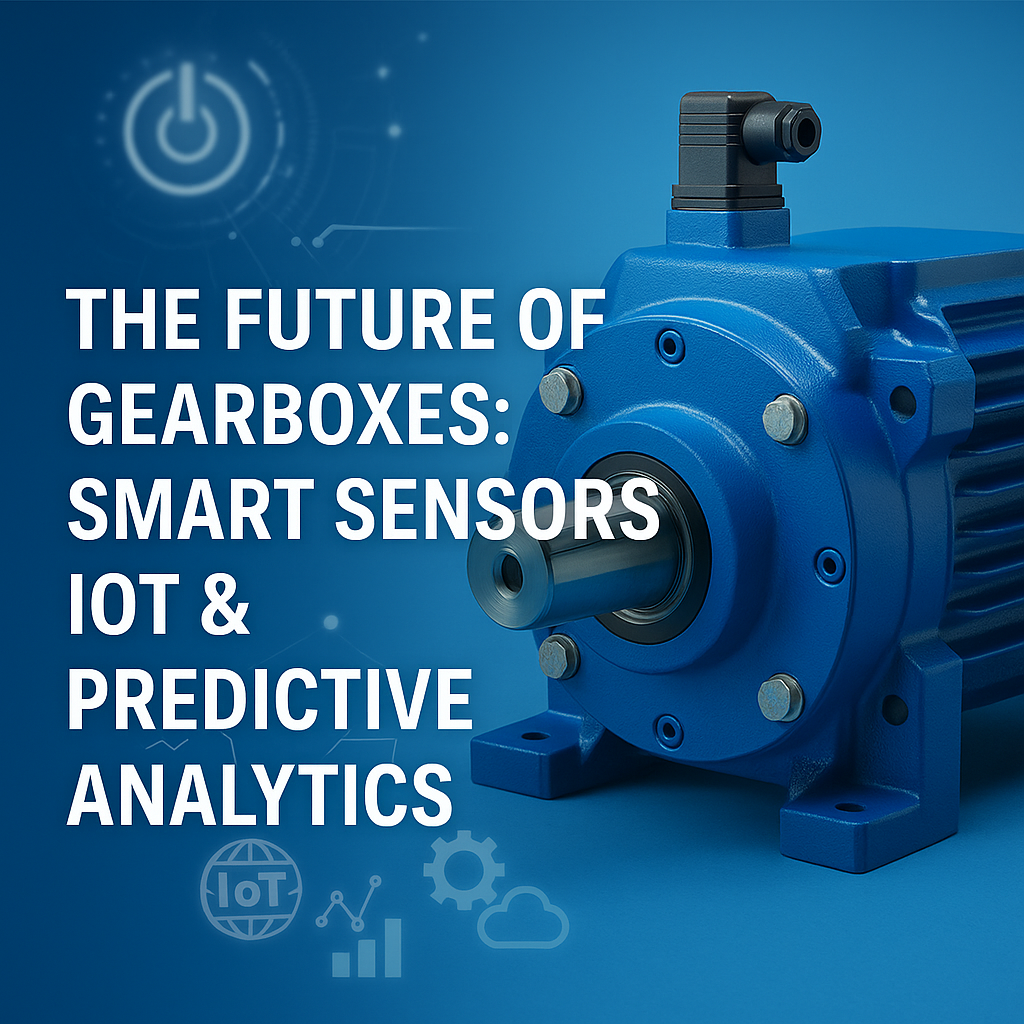
The Rise of Smart Gearboxes
Traditional gearboxes relied solely on scheduled inspections and reactive maintenance. Today’s smart systems integrate IoT sensors that measure:
Vibration for early fault detection
Temperature to identify lubrication or load issues
Torque and speed for operational analysis
Oil quality to predict component wear
These embedded sensors continuously feed data to monitoring platforms, giving engineers insight into performance trends long before failures occur.
Predictive Analytics: Preventing Downtime Before It Happens
Predictive analytics is the next frontier in gearbox reliability. By applying AI algorithms to sensor data, facilities can now:
Detect anomalies in gear vibration or oil temperature
Forecast component failure timelines
Schedule maintenance only when needed
Reduce downtime by up to 40% compared to traditional preventive models
In short, predictive analytics turns gearbox maintenance from reactive to proactive — saving both time and cost.
Real-World Applications in Industrial Environments
Smart gearbox technologies are being adopted across industries such as:
Manufacturing: Real-time load monitoring ensures continuous production.
Mining: Predictive maintenance minimizes disruptions in high-load environments.
Food & Beverage: Sensors maintain precision operation in washdown-duty gearboxes.
Renewable Energy: Wind turbines use sensor data to balance gearbox loads efficiently.
Each application benefits from increased uptime and reduced total cost of ownership.
How IoT Integration Improves Energy Efficiency
IoT-enabled gearboxes don’t just prevent failures — they improve efficiency. Data from networked drives can automatically adjust torque, speed, and lubrication intervals to minimize wasted energy. Combined with high-efficiency motors, this leads to lower operating costs and smaller carbon footprints.
The Road Ahead: Digital Twins and AI Optimization
The future points toward digital twin technology — virtual replicas of physical gearboxes that mirror real-world performance data. This allows engineers to simulate wear, optimize configurations, and make precise adjustments remotely. As AI-driven diagnostics become standard, the gearbox of tomorrow will practically maintain itself.
Conclusion
Smart sensors and IoT connectivity are transforming gearboxes from static hardware into intelligent, self-monitoring systems. Whether in manufacturing, energy, or processing industries, these innovations drive uptime, efficiency, and profitability.
At Industrial Gearbox Supply, we stay ahead of these trends — offering high-performance gearboxes, repair services, and expert support to help your operation run smoother than ever.
Call (517) 858-2966 or visit IndustrialGearboxSupply.com to learn how smart gearbox technology can improve your system performance.