

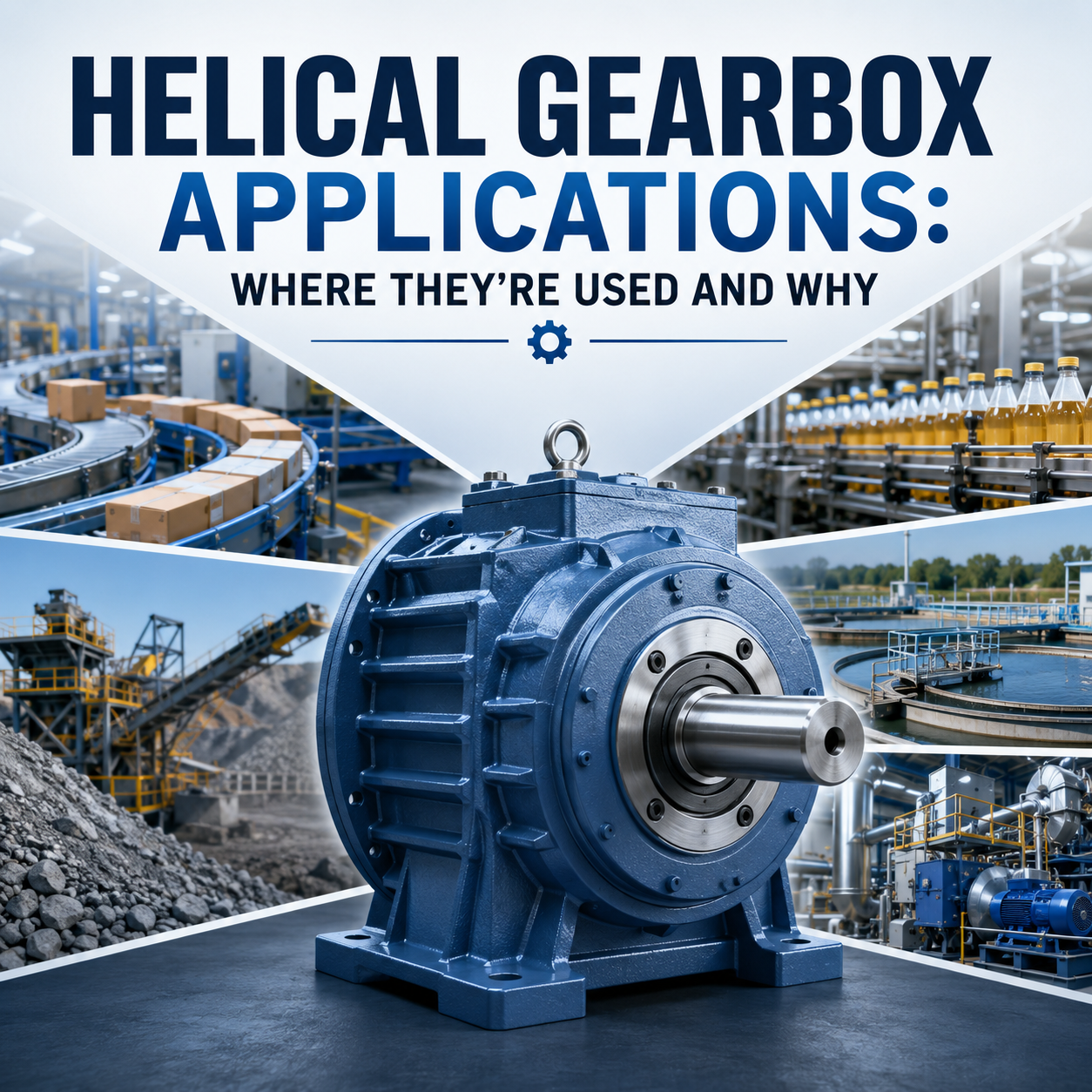
Helical Gearbox Applications: Where They're Used and Why
Helical gearboxes are trusted across countless industries because they deliver smooth, efficient, and reliable power transmission. Discover where these gearboxes are commonly used, why they outperform many alternatives, and how choosing the right application can improve equipment performance, reduce maintenance, and extend the life of your machinery.
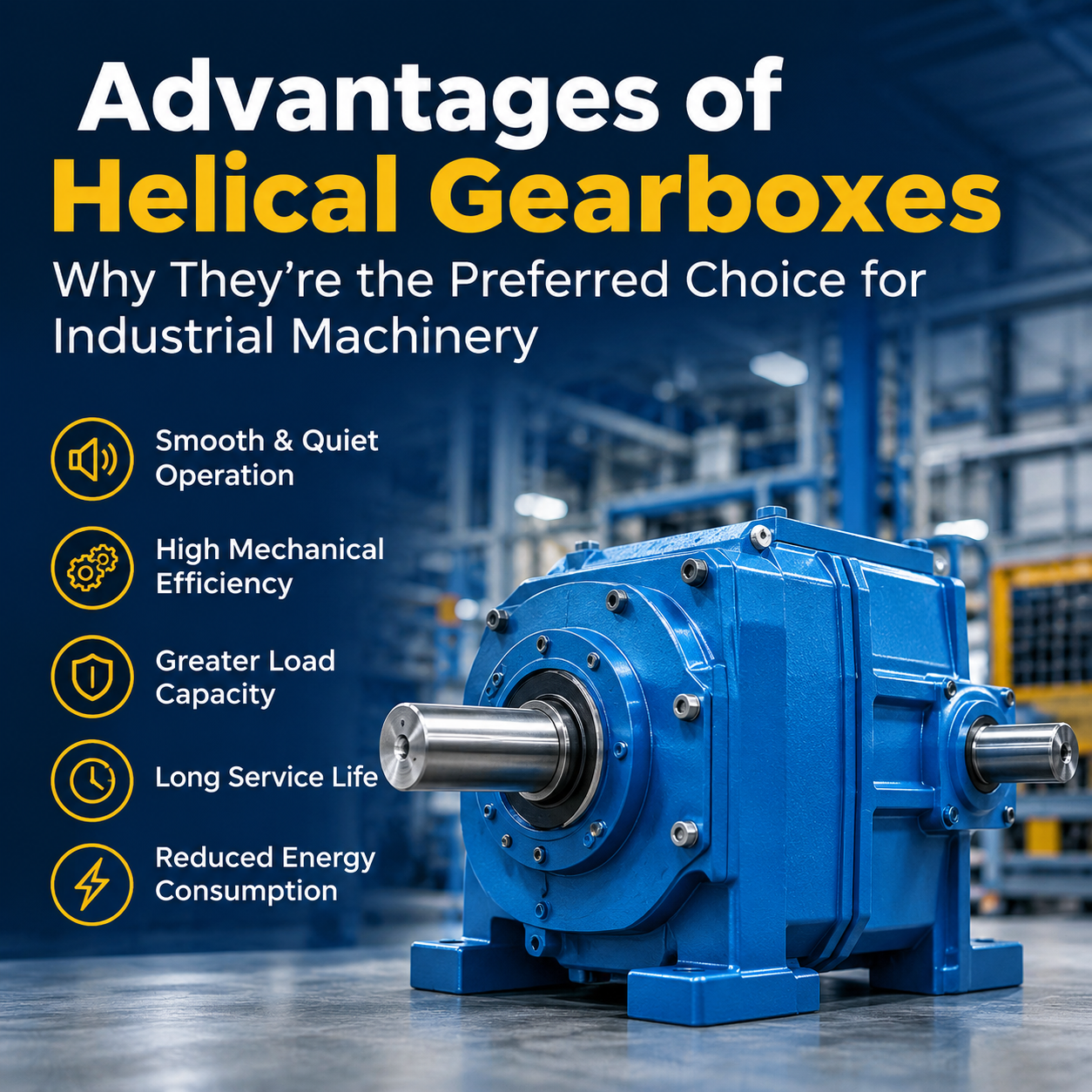
Advantages of Helical Gearboxes: Why They're the Preferred Choice for Industrial Machinery
Discover the key advantages of helical gearboxes, from smooth and quiet operation to high efficiency, excellent load capacity, and long service life. Learn why these industrial gear reducers are the preferred choice for manufacturing, conveyors, mining, food processing, and other demanding applications.
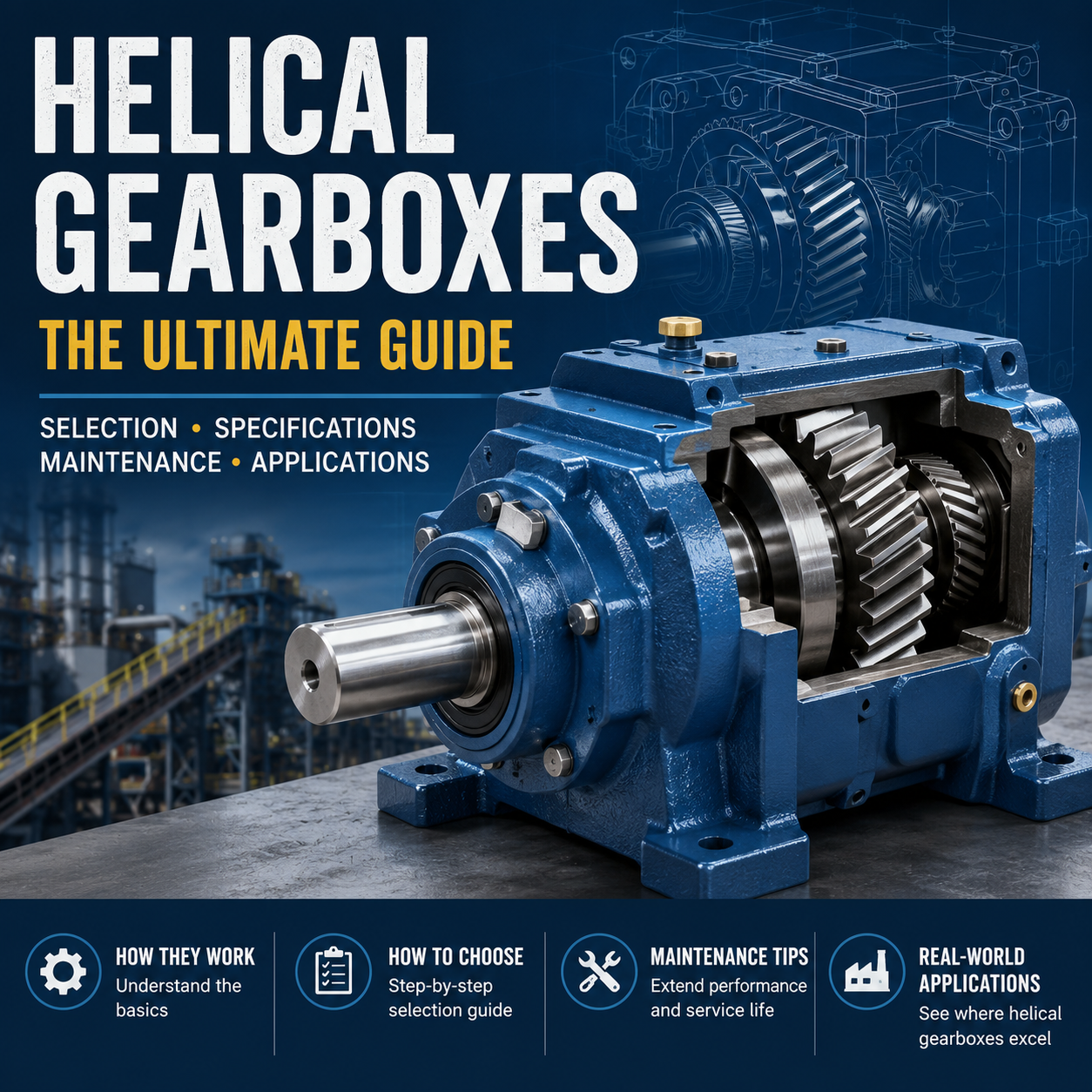
Helical Gearbox Buying Guide: How to Choose the Right Industrial Gear Reducer
Learn how to choose the right helical gearbox for your industrial application. This guide covers gearbox types, torque, gear ratios, service factors, mounting options, maintenance requirements, common failure signs, and the key specifications that influence performance and service life.
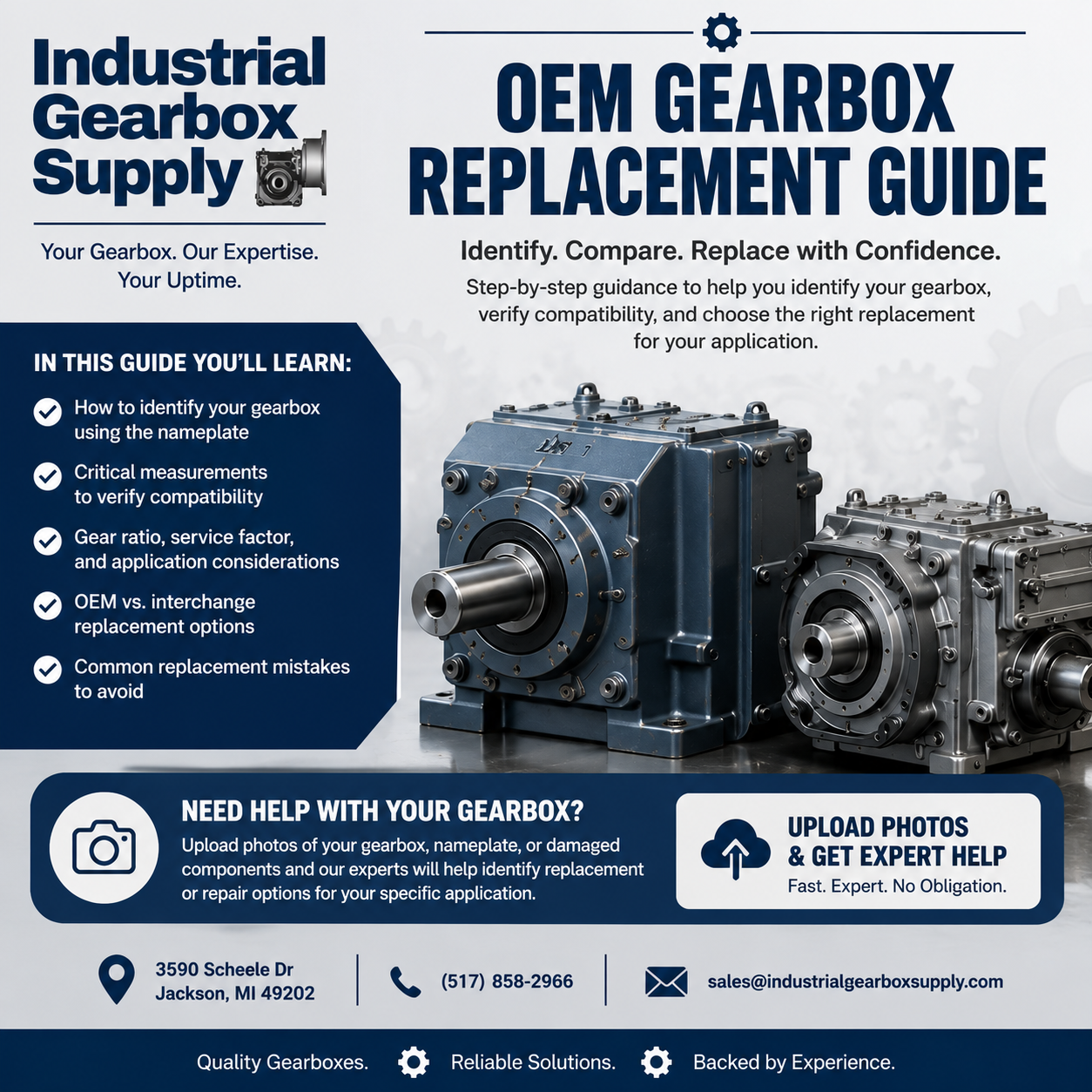
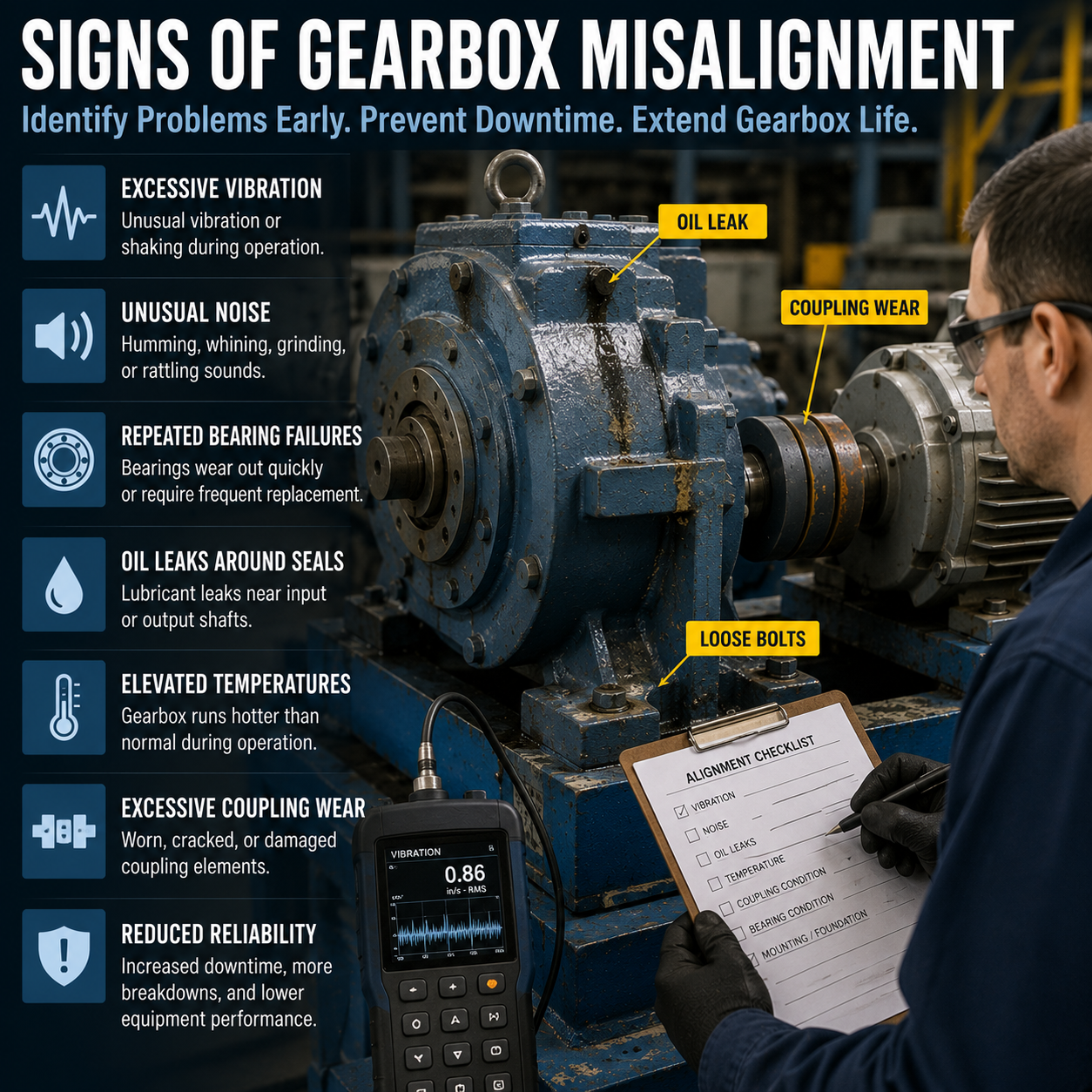
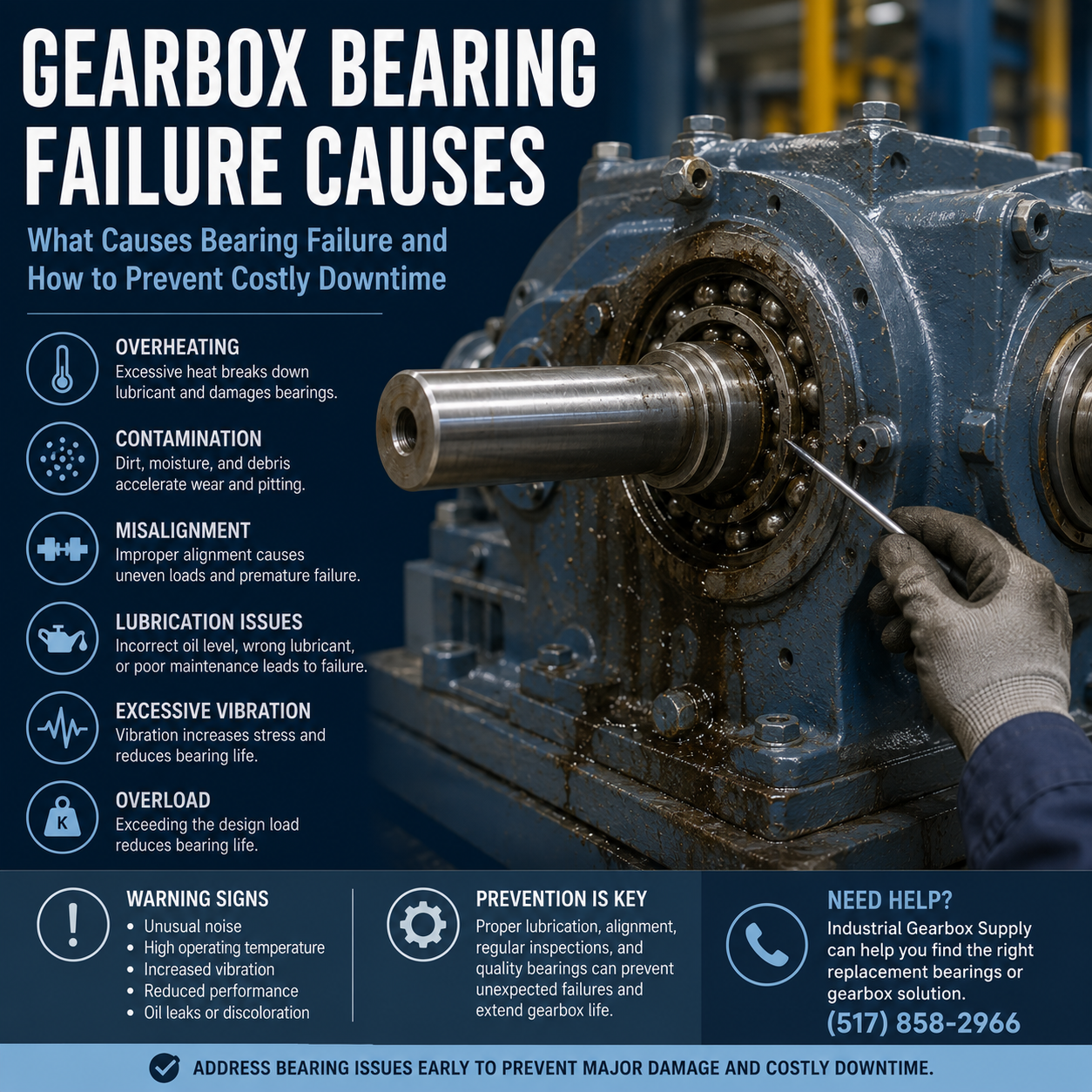
Gearbox Bearing Failure Causes
Gearbox Bearing Failure Causes: Common Problems and Prevention
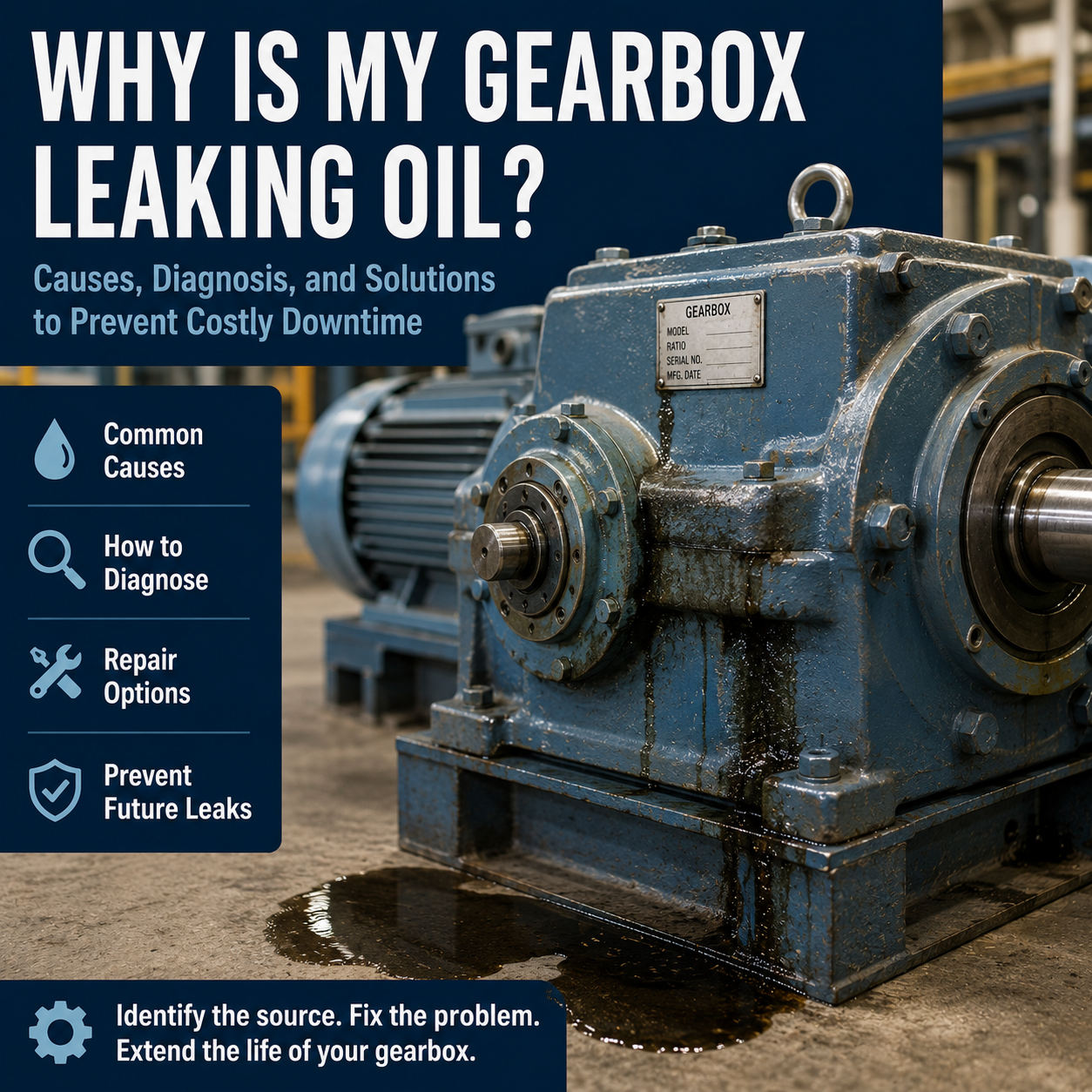
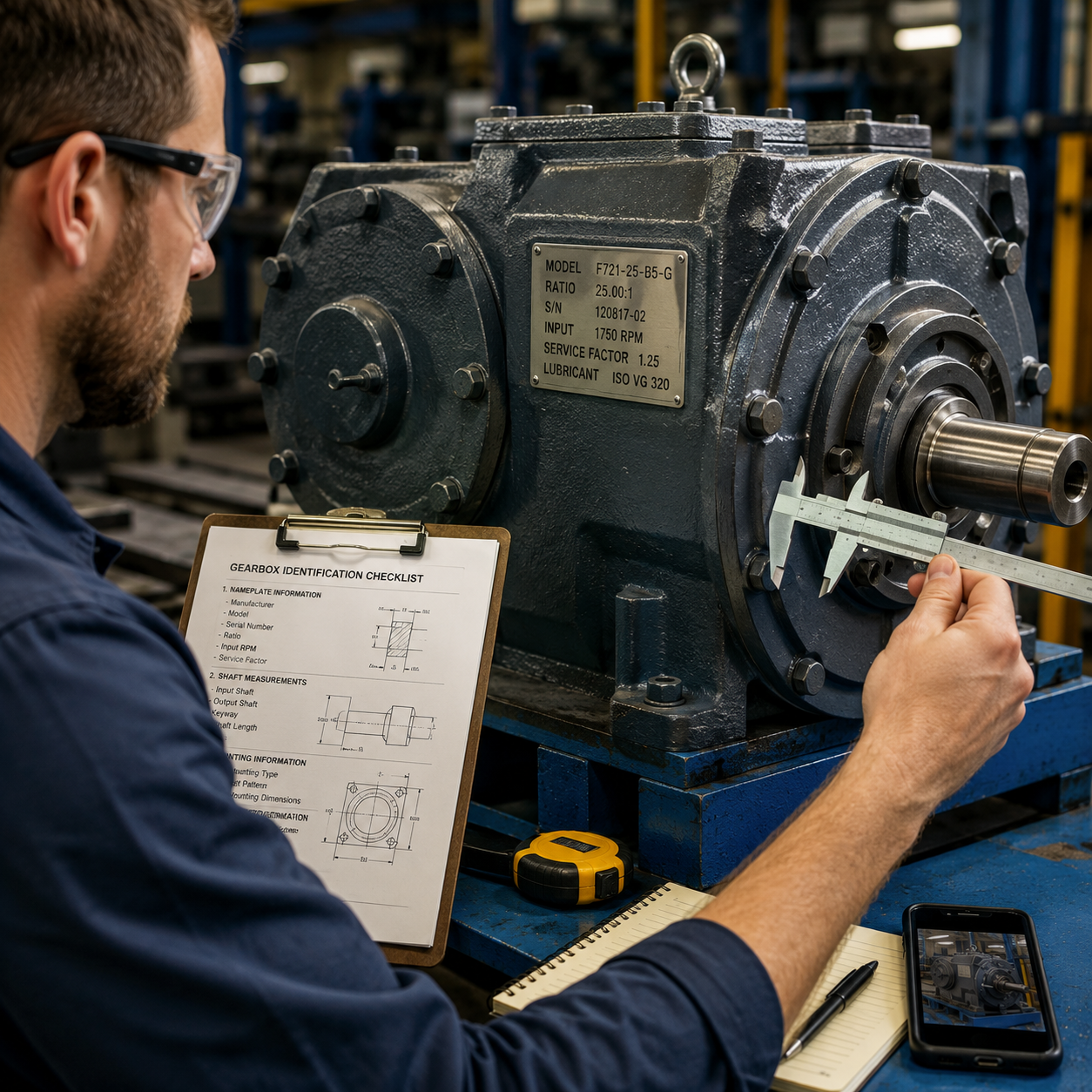
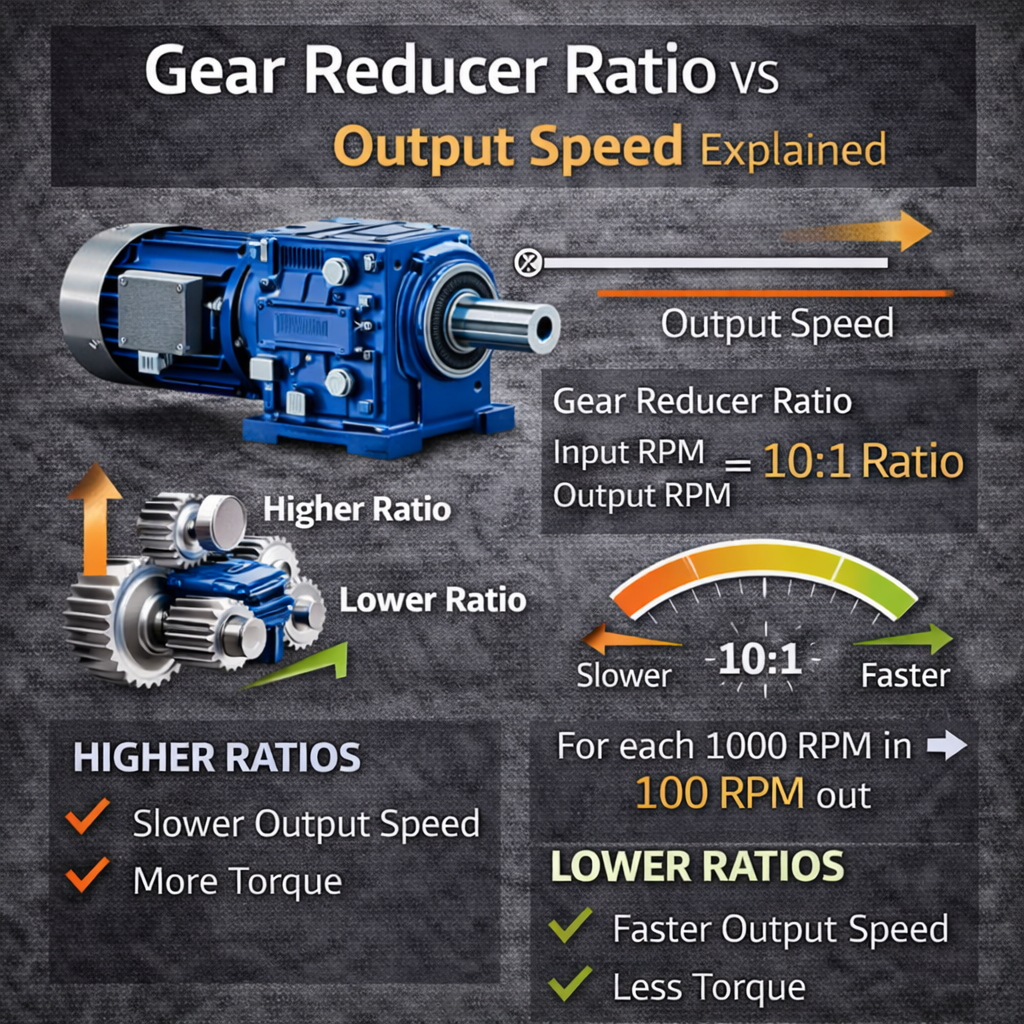
Gear Reducer Ratio vs Output Speed Explained
Gear reducer ratio directly controls output speed and torque. This guide explains how ratios work, how to calculate output speed, and how to select the right ratio.
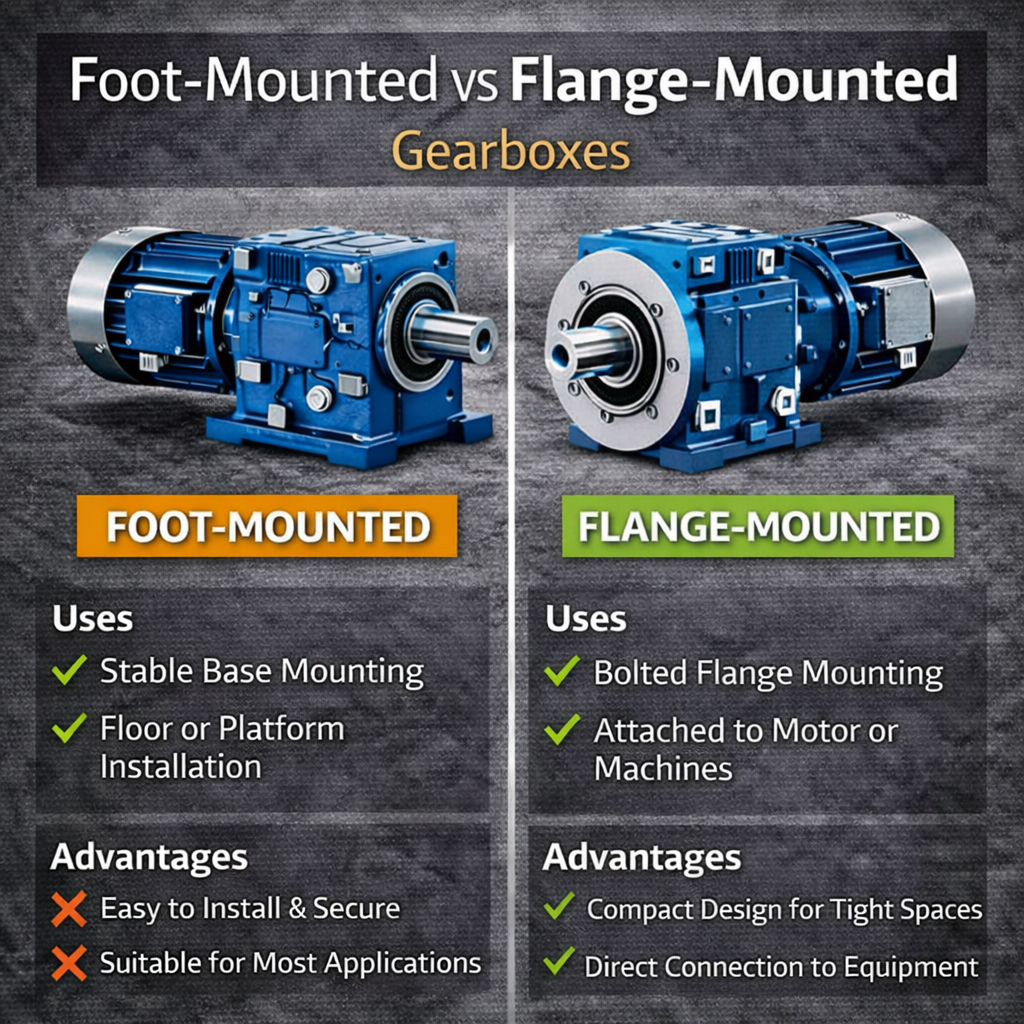
Foot-Mounted vs Flange-Mounted Gearboxes
Foot-mounted and flange-mounted gearboxes differ in load support, alignment, and maintenance. This guide explains the pros and cons of each mounting style.
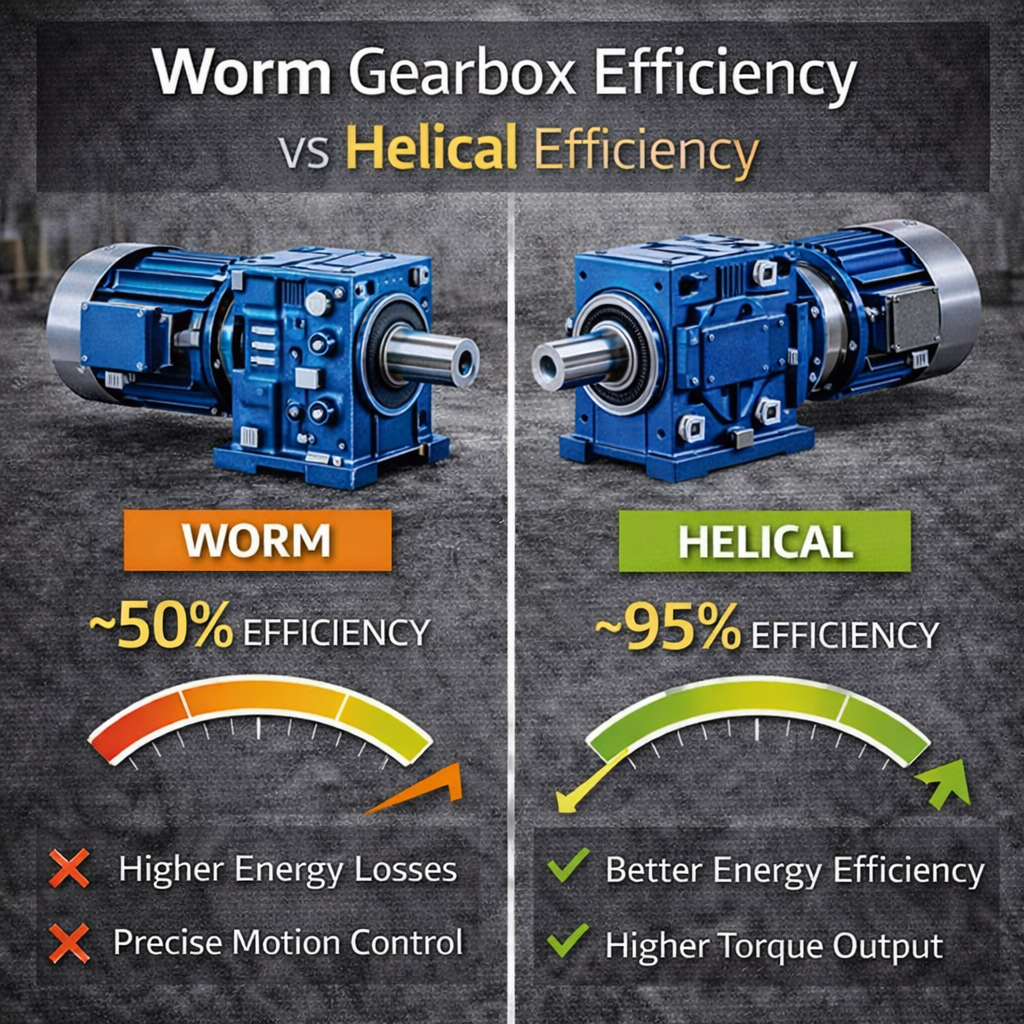
Worm Gearbox Efficiency vs Helical Efficiency
Compare worm gearbox efficiency vs helical efficiency, including energy loss, heat generation, and best applications.
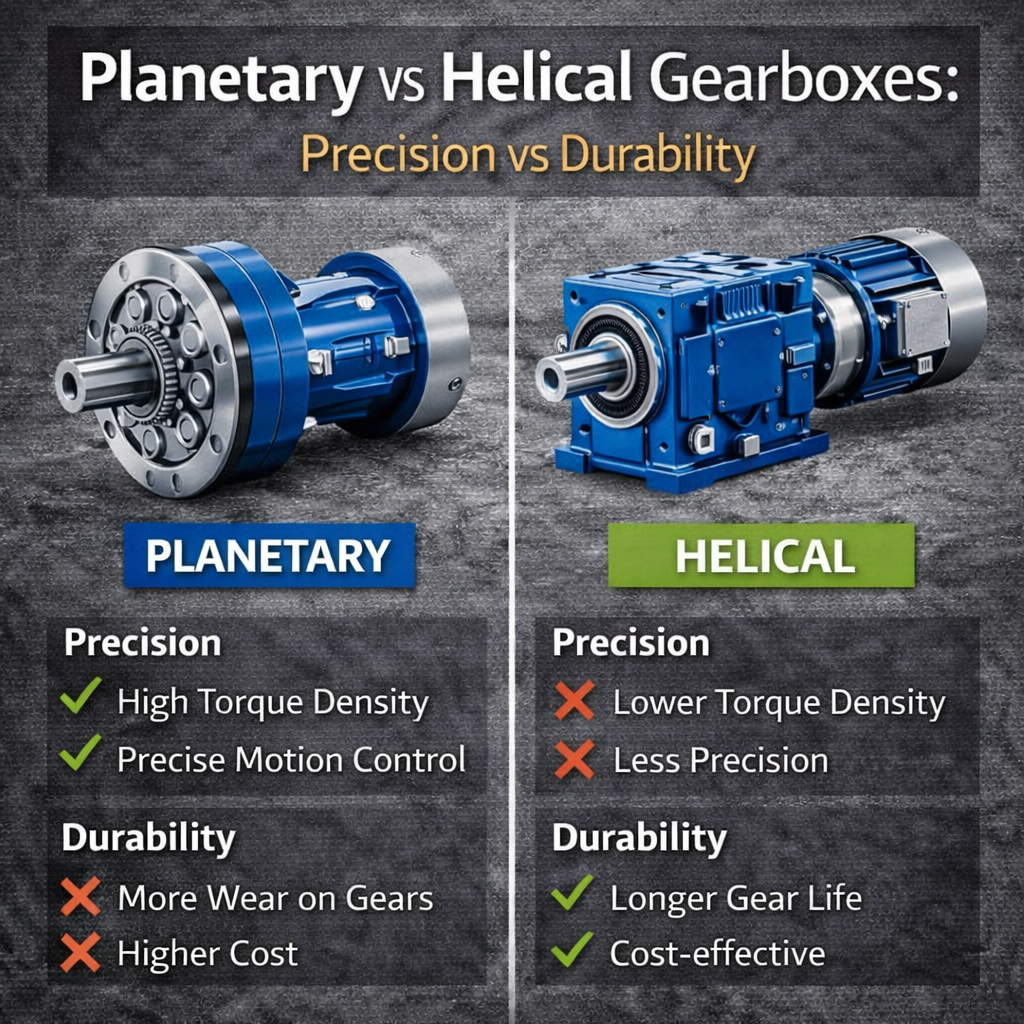
Planetary vs Helical Gearboxes: Precision vs Durability
Planetary and helical gearboxes serve different purposes. This article compares precision, durability, and application strengths to help you choose the right gearbox design.
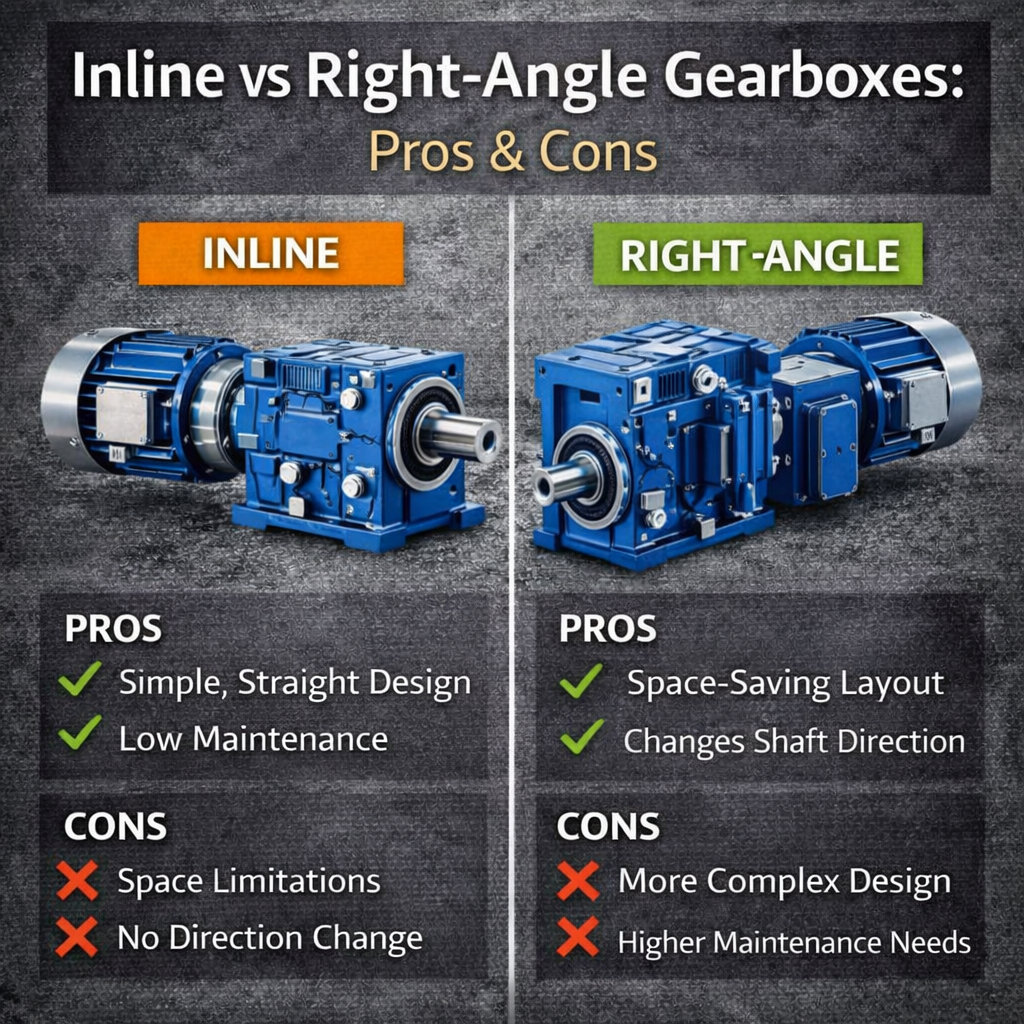
Inline vs Right-Angle Gearboxes: Pros & Cons
Inline and right-angle gearboxes differ in efficiency, layout, and maintenance. This article compares the pros and cons to help you choose the right gearbox design.
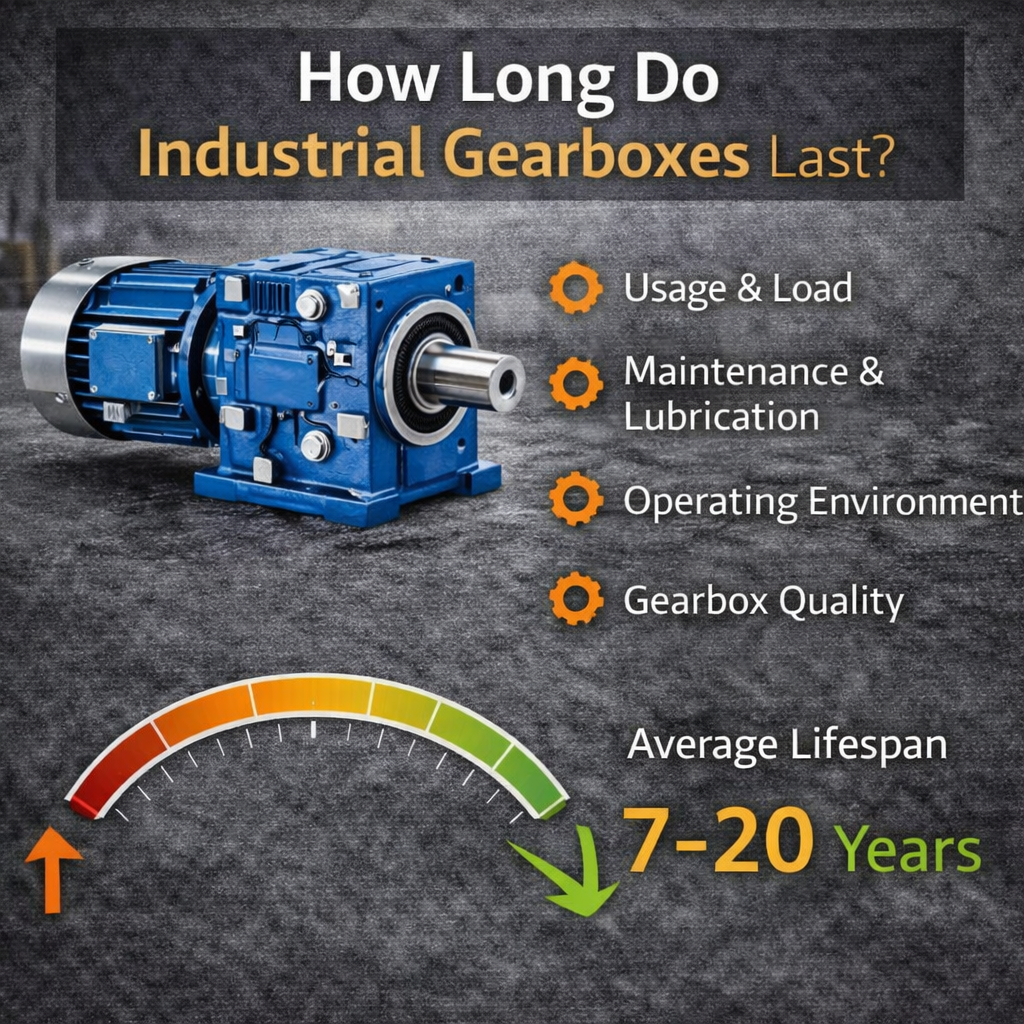
How Long Do Industrial Gearboxes Last?
Industrial gearboxes can last decades under ideal conditions, but real-world lifespan depends on load, maintenance, and environment. This article explains what to expect and how to extend gearbox life.
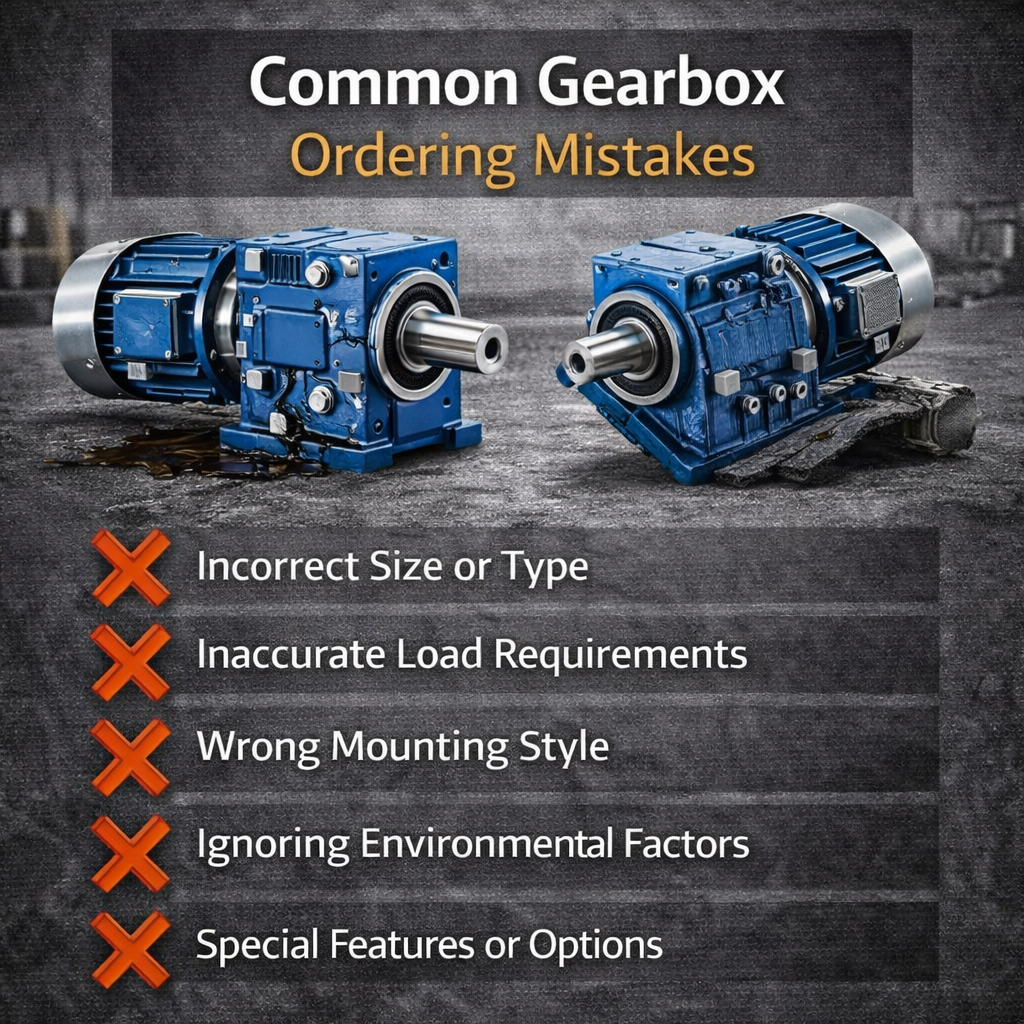
Common Gearbox Ordering Mistakes
Many gearbox failures start before installation due to ordering mistakes. This article explains the most common gearbox ordering errors and how to avoid them.
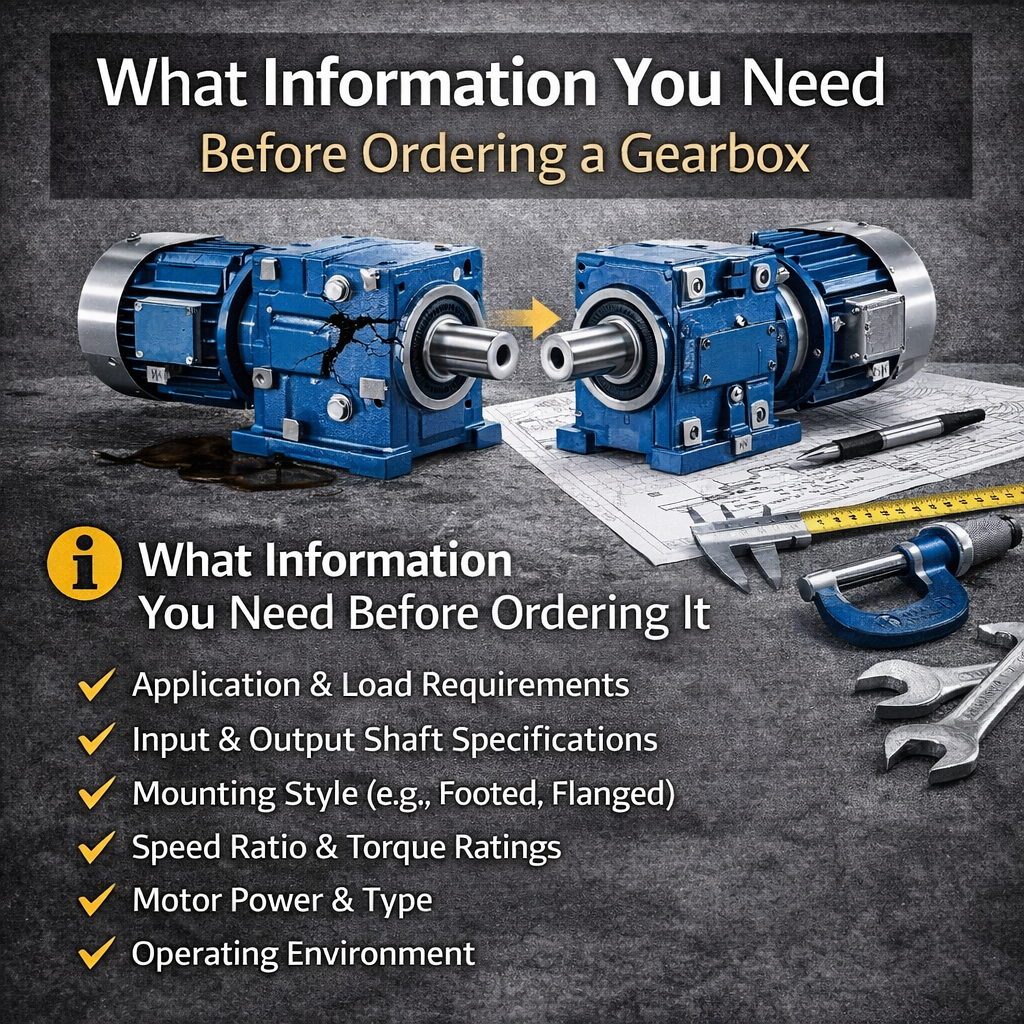
What Information You Need Before Ordering a Gearbox
Ordering a gearbox without complete information often leads to delays, incorrect sizing, and premature failure. This article outlines exactly what you need before placing an order.
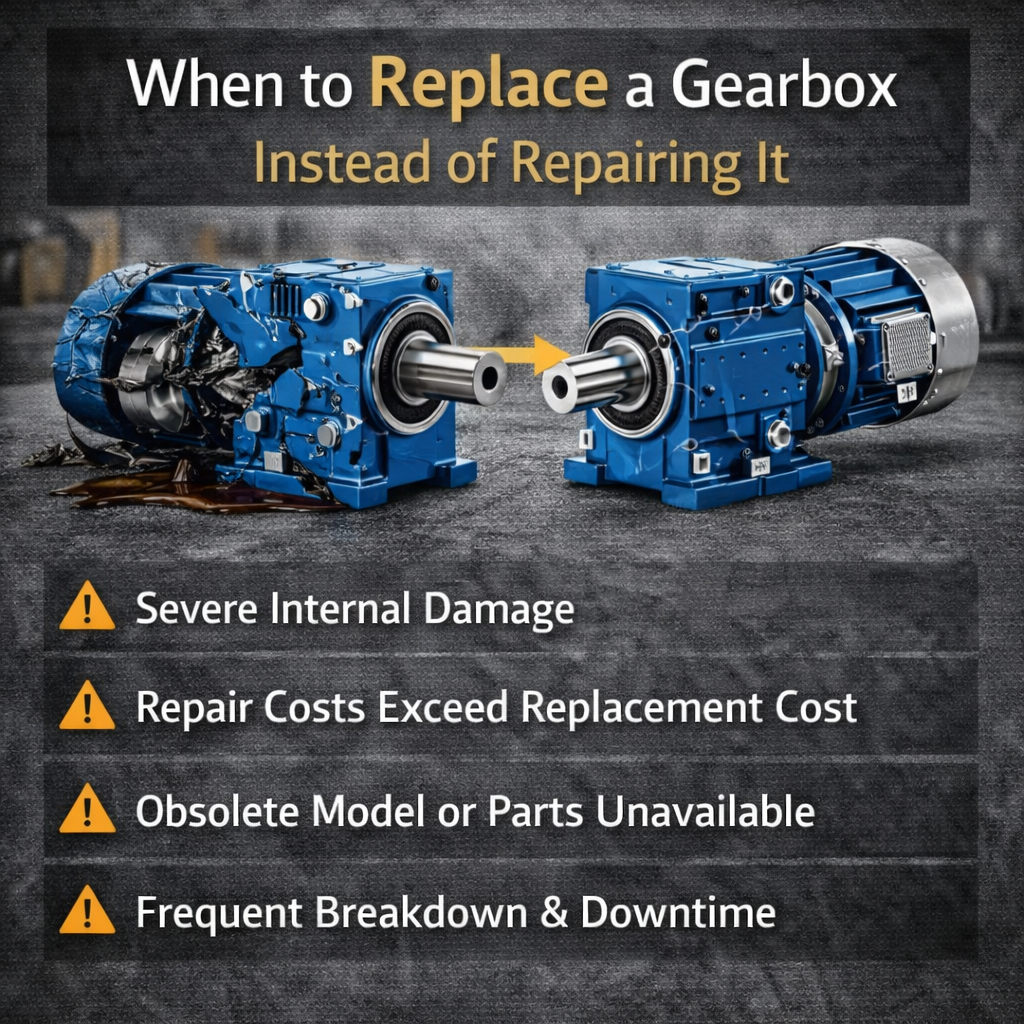
When to Replace a Gearbox Instead of Repairing It
Not every gearbox failure should be repaired. This article explains the key signs that indicate when replacing a gearbox is the safer, more reliable, and cost-effective choice.
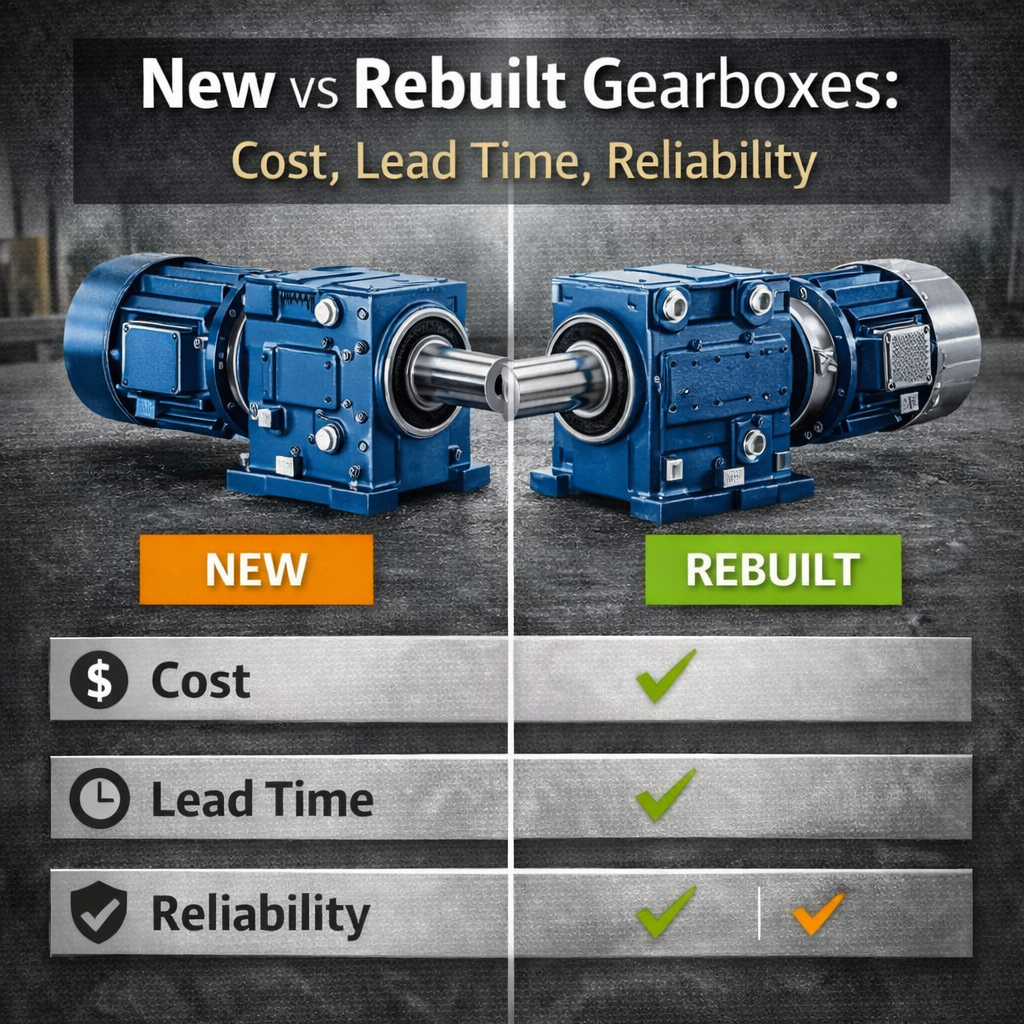
New vs Rebuilt Gearboxes: Cost, Lead Time, Reliability
When a gearbox fails, choosing between new and rebuilt units affects cost, downtime, and reliability. This article compares both options to help you make the right decision.
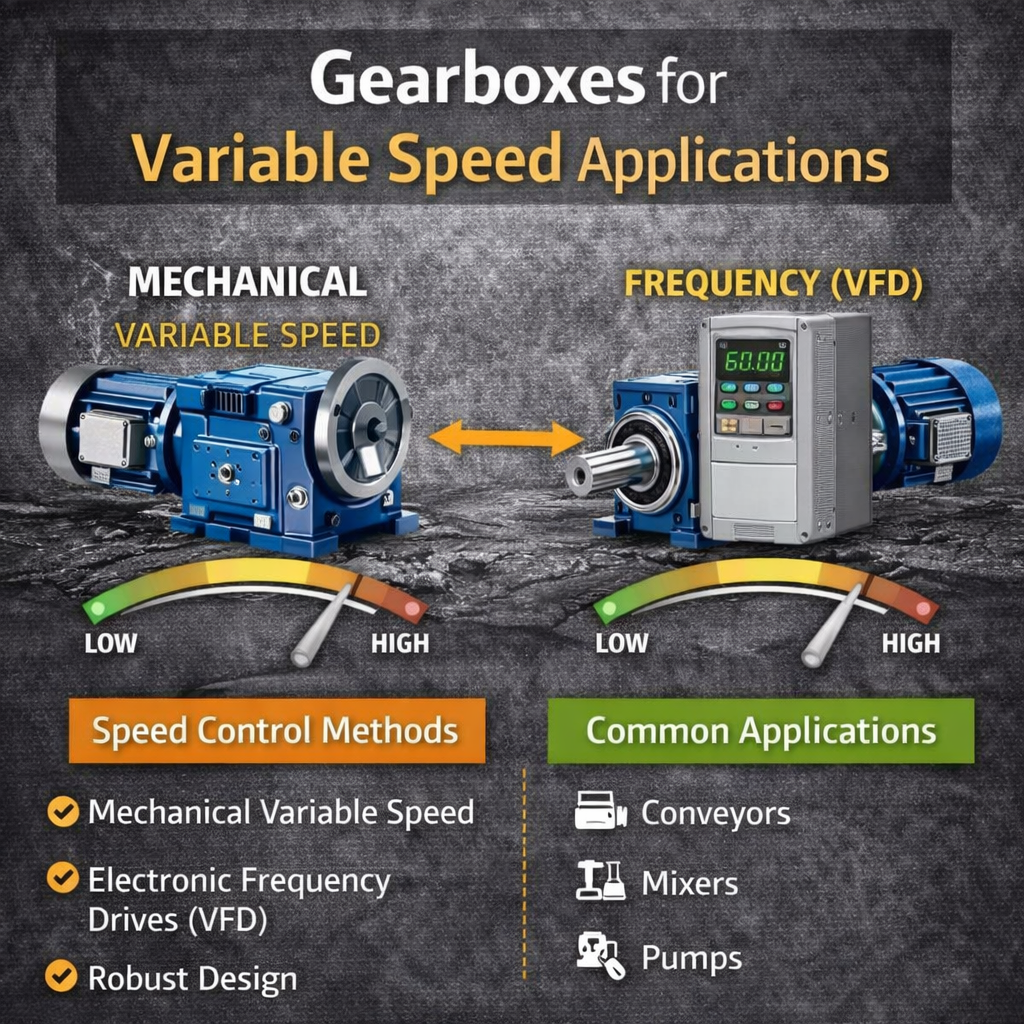
Gearboxes for Variable Speed Applications
Variable speed applications expose gearboxes to changing torque, speed, and thermal conditions. This article explains how to select gearboxes designed for reliable variable speed operation.
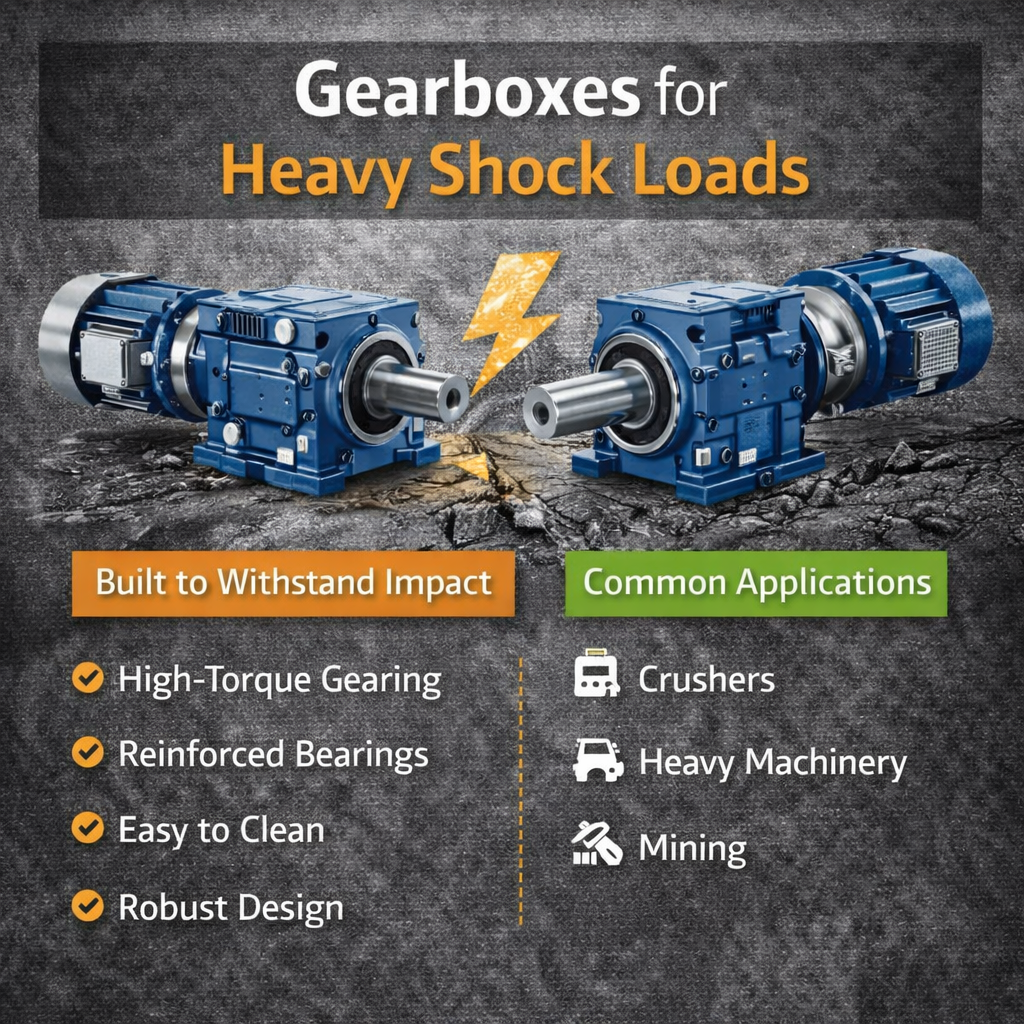
Gearboxes for Heavy Shock Loads
Heavy shock loads create sudden torque spikes that damage gears and bearings. This article explains how to select gearboxes designed to withstand impact and prevent failure.