

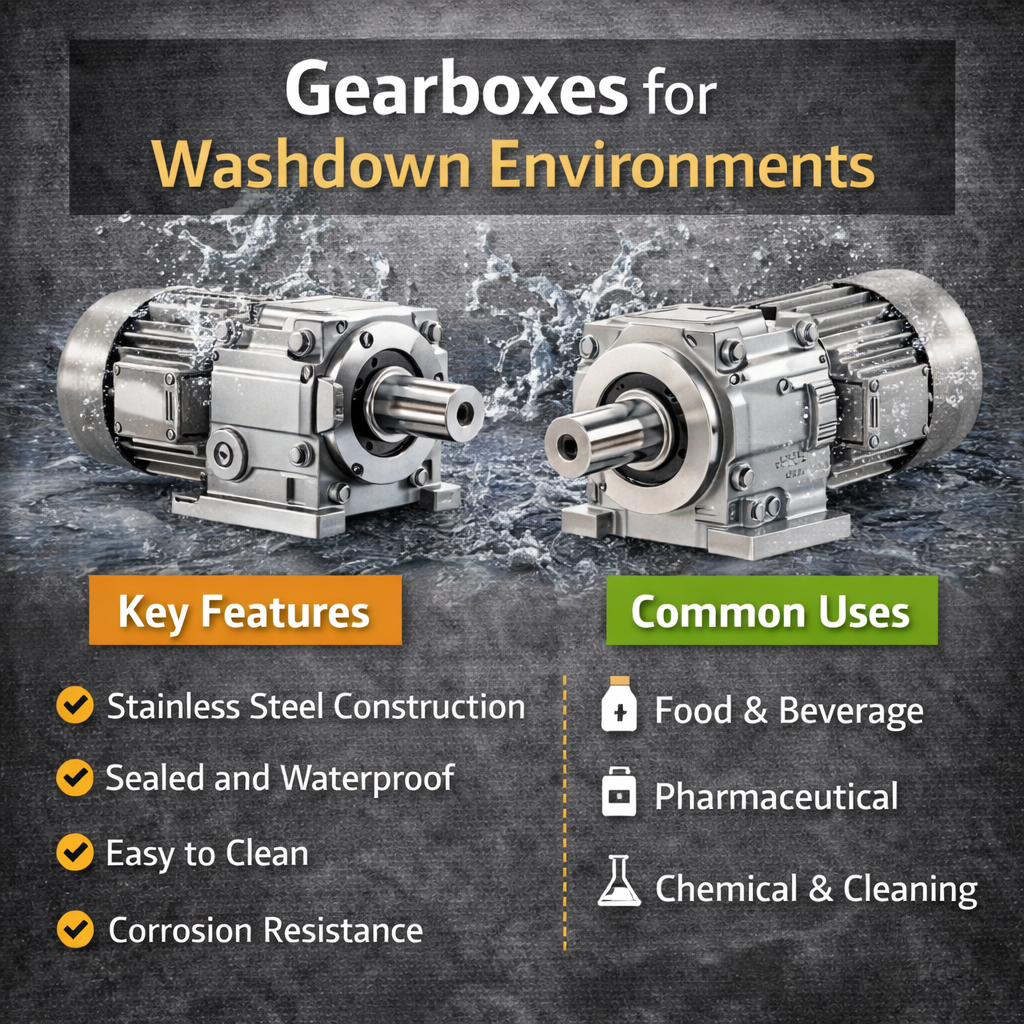
Gearboxes for Washdown Environments
Washdown environments expose gearboxes to water, chemicals, and corrosion. This article explains how to select washdown-rated gearboxes and prevent common failures.
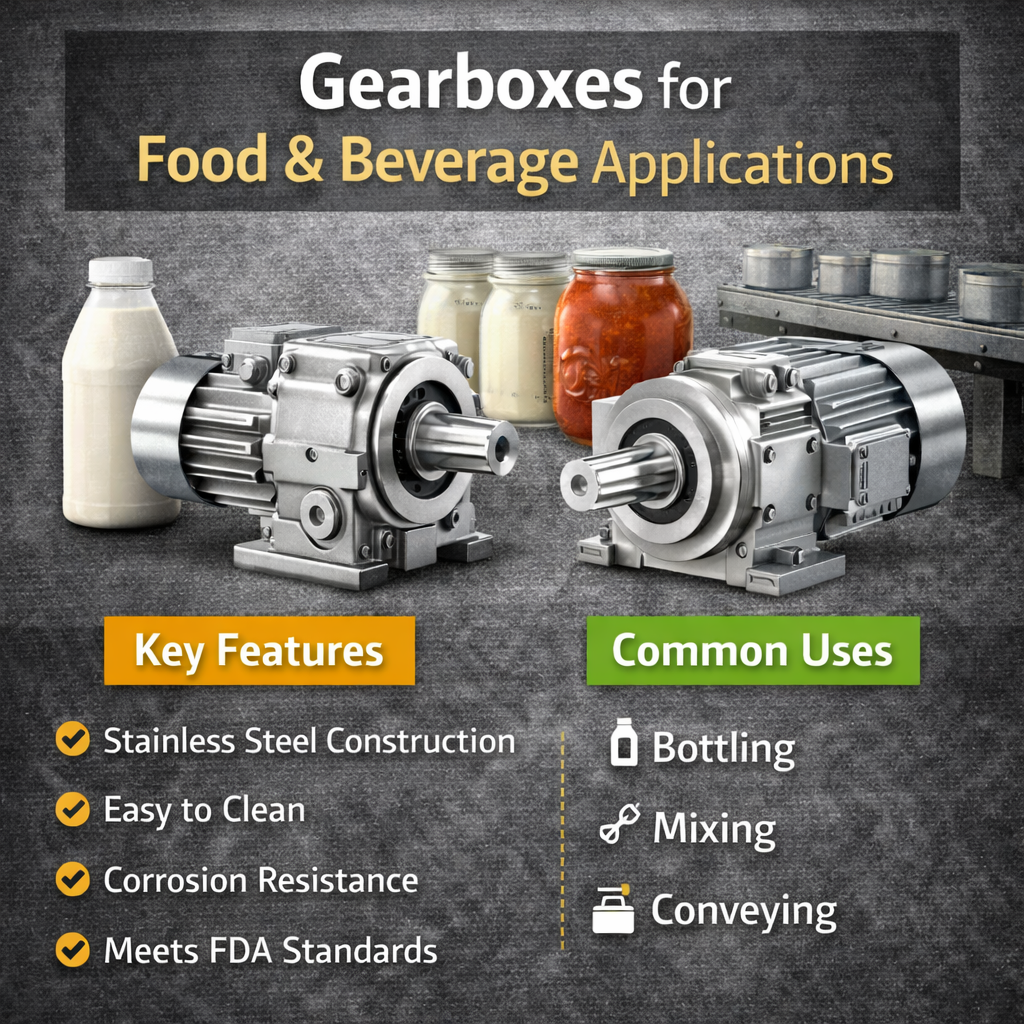
Gearboxes for Food & Beverage Applications
Food and beverage applications require gearboxes that meet strict sanitation standards while delivering reliable performance. This article explains how to select food-grade gearboxes and avoid common failures.
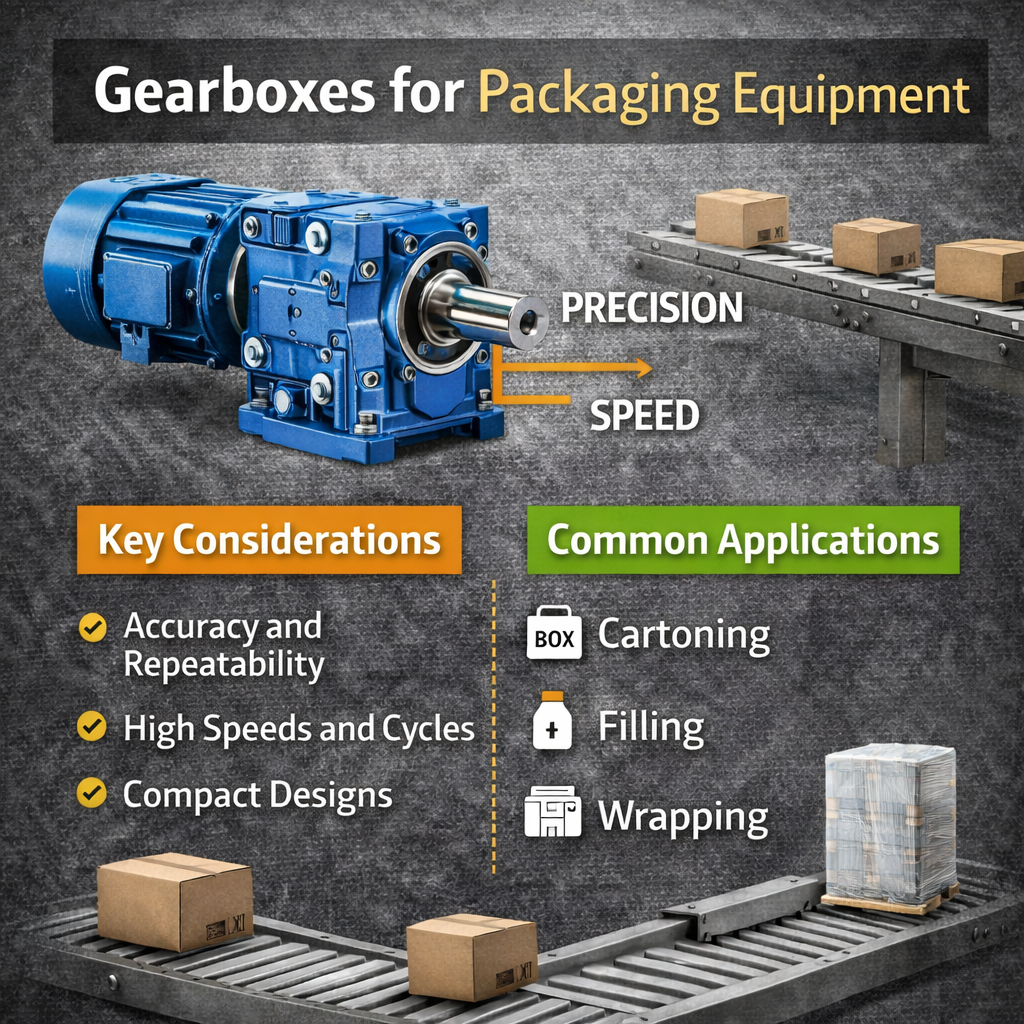
Gearboxes for Packaging Equipment
Packaging equipment requires gearboxes that balance speed, precision, and reliability. This article explains how to select the right gearbox and prevent common failures in packaging applications.
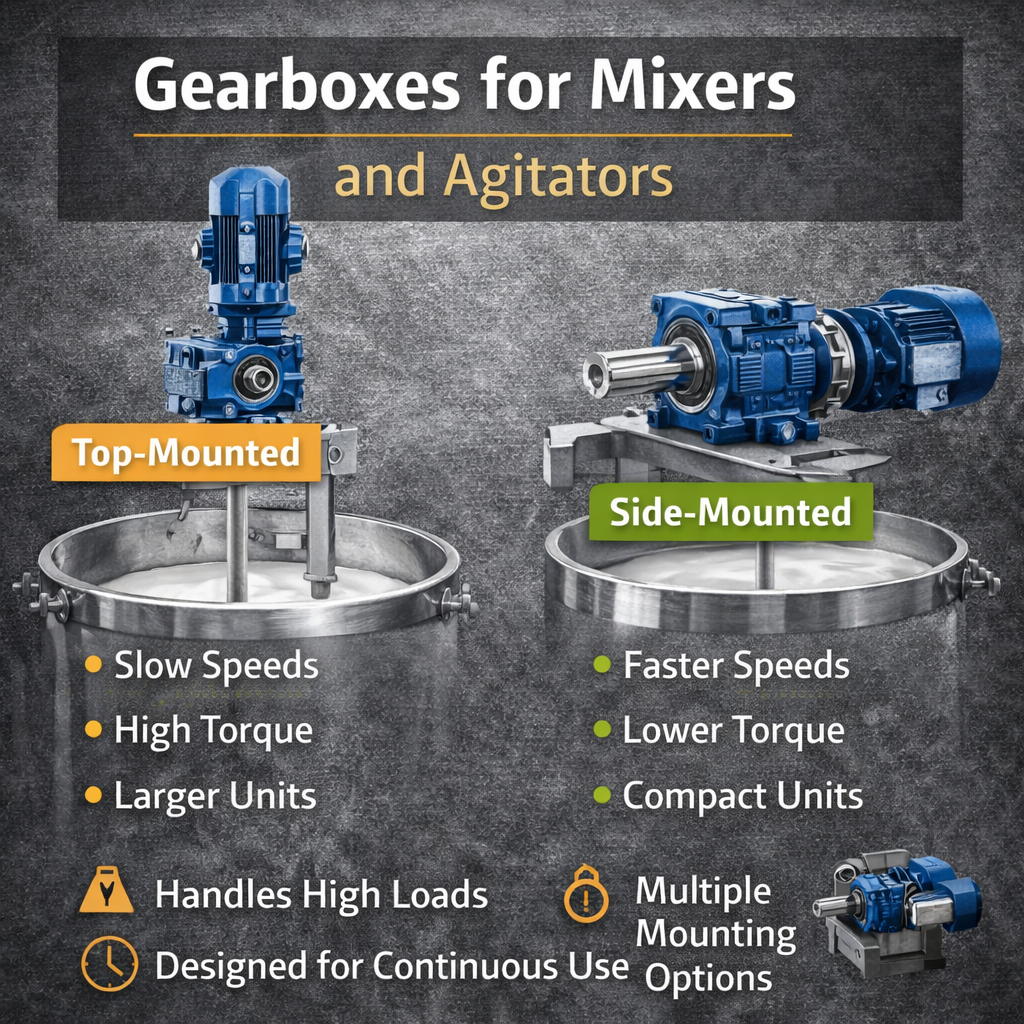
Gearboxes for Mixers and Agitators
Mixers and agitators place heavy, variable loads on gearboxes. This article explains how to select the right gearbox and prevent common failures in mixing applications.
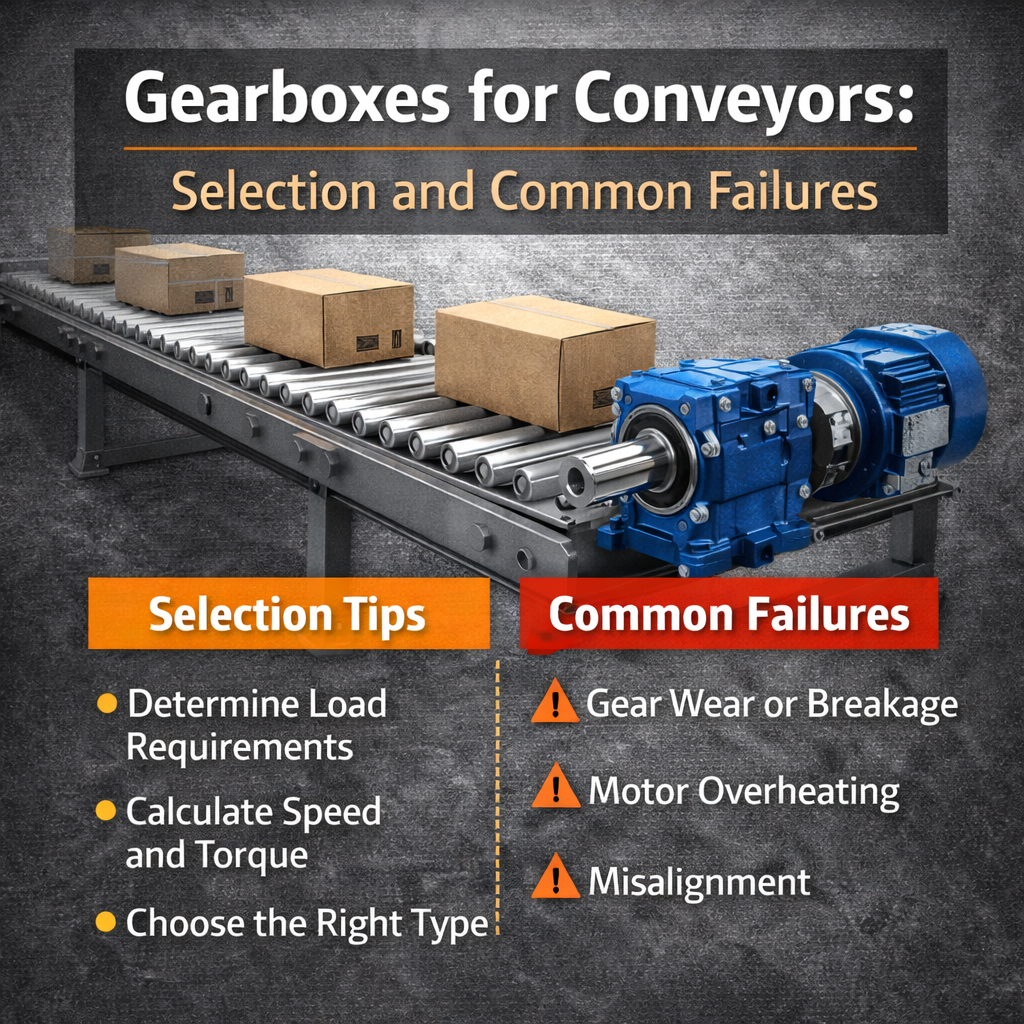
Gearboxes for Conveyors: Selection and Common Failures
Conveyors place heavy demands on gearboxes. This article explains how to select the right gearbox for conveyor applications and outlines the most common causes of conveyor gearbox failure.
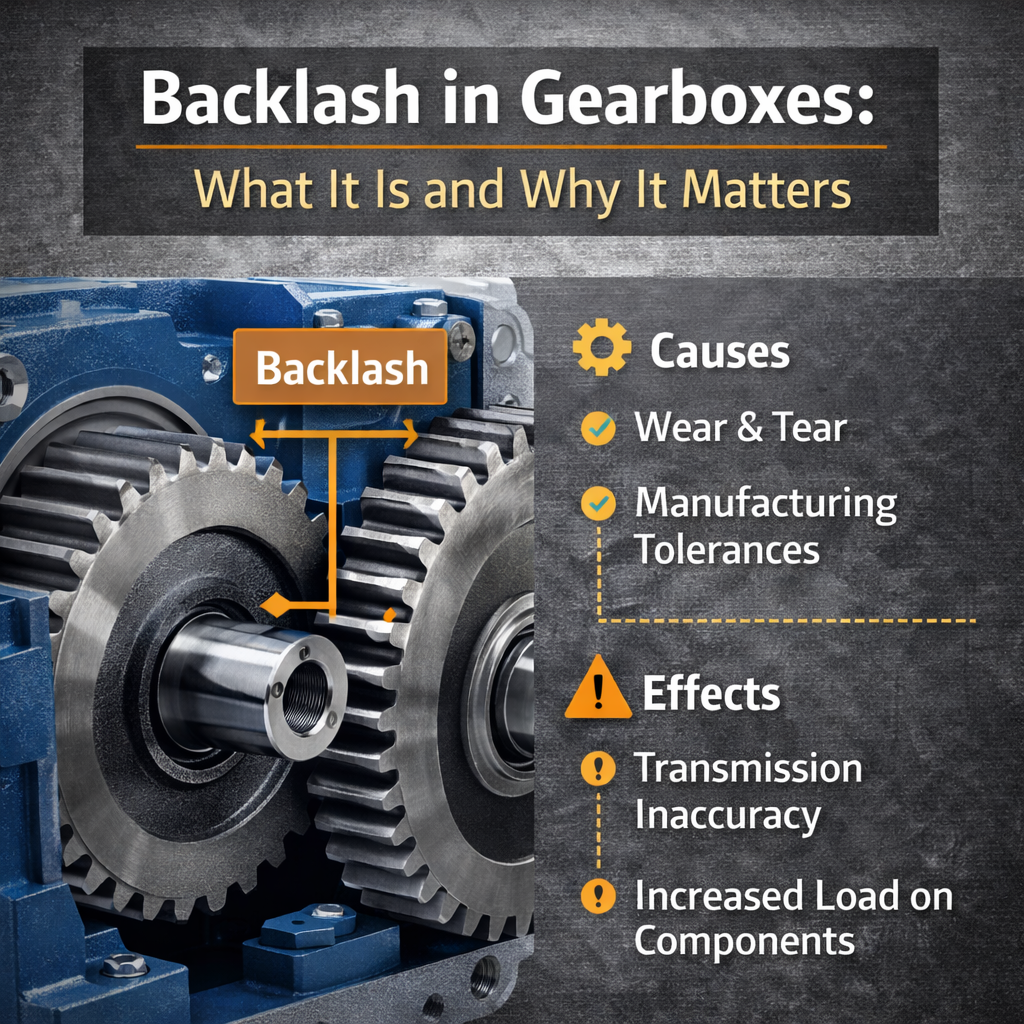
Backlash in Gearboxes: What It Is and Why It Matters
Backlash is the free movement between gear teeth when rotation reverses. This article explains what backlash is, why it exists, and how excessive backlash affects performance and reliability.
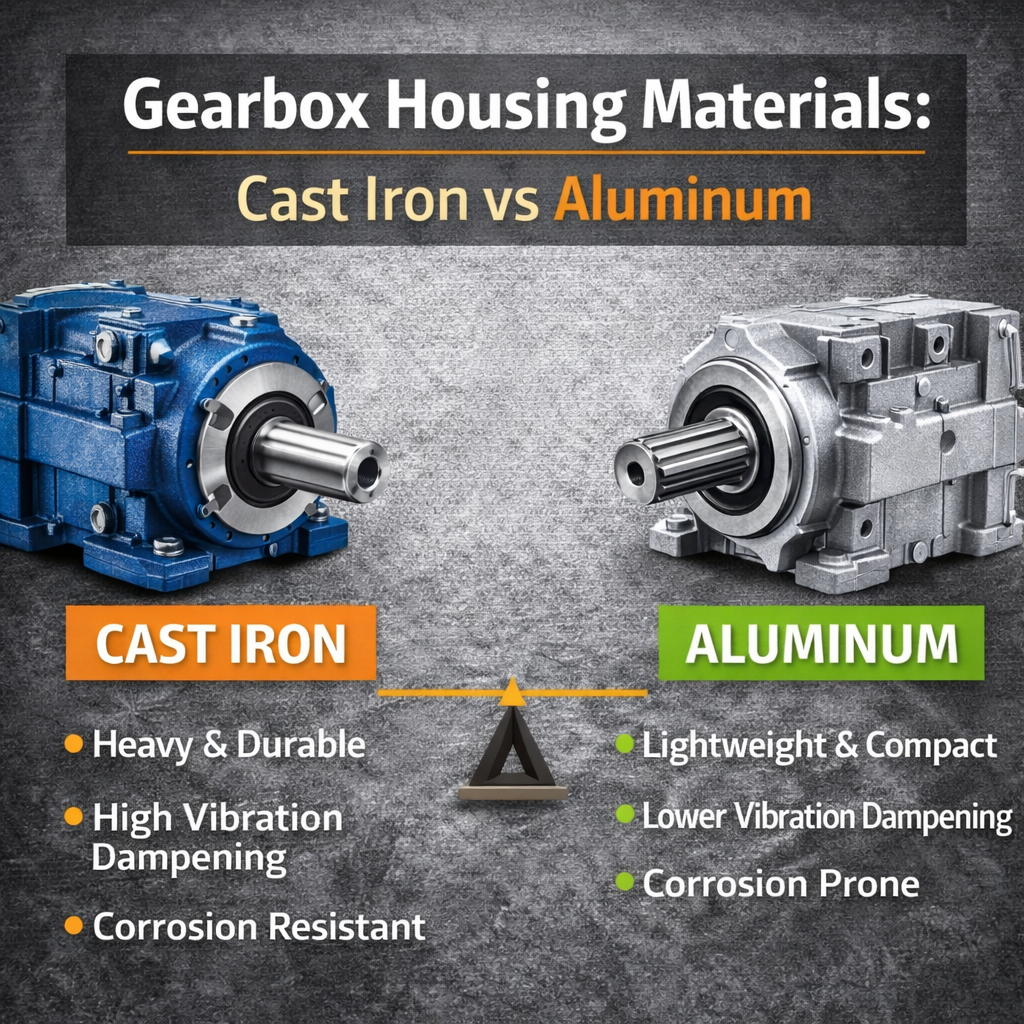
Gearbox Housing Materials: Cast Iron vs Aluminum
Gearbox housing material affects strength, vibration control, and durability. This article compares cast iron vs aluminum gearbox housings and explains when each is the better choice.
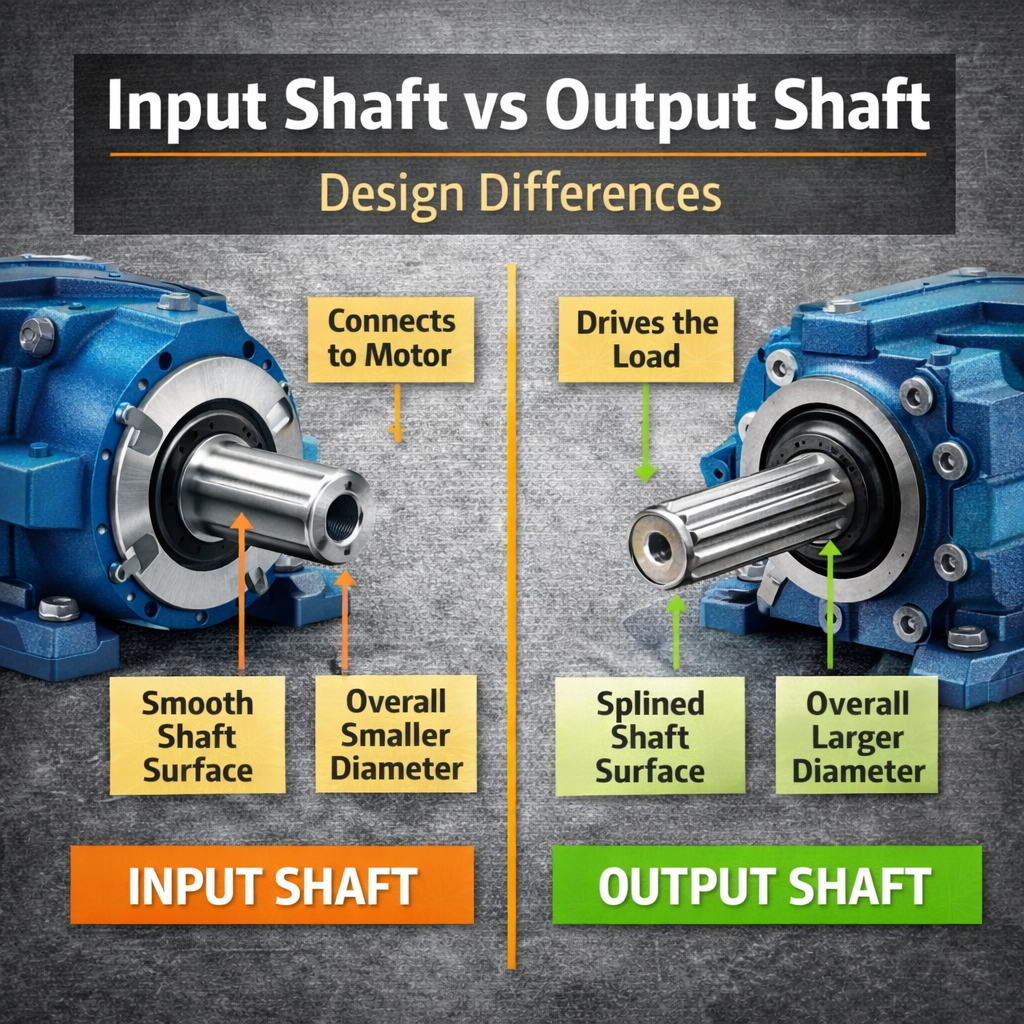
Input Shaft vs Output Shaft: Design Differences
Input shafts and output shafts serve different roles inside a gearbox. This article explains how differences in speed, torque, loading, and bearing support influence their design and reliability.
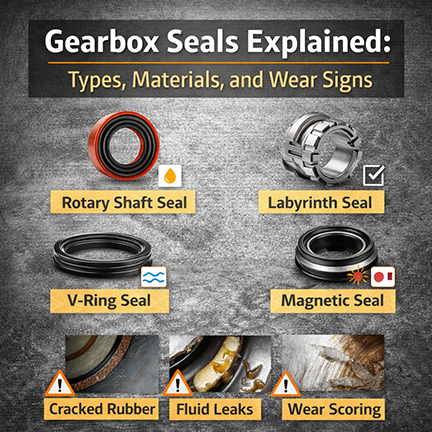
Gearbox Seals Explained: Types, Materials, and Wear Signs
Gearbox seals prevent lubricant loss and contamination. This article explains common seal types, materials, and early wear signs that lead to leaks and gearbox failure.
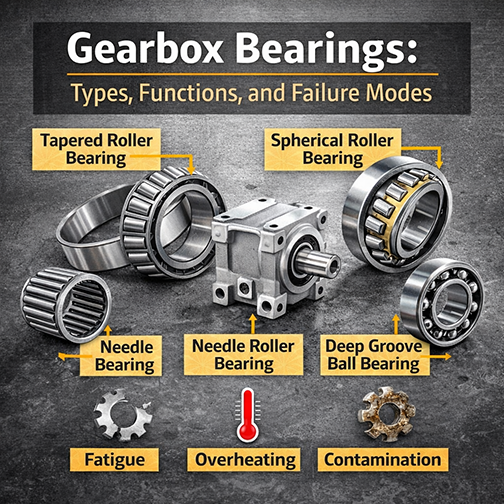
Gearbox Bearings: Types, Functions, and Failure Modes
Gearbox bearings support shafts, control loads, and maintain alignment. This article explains common gearbox bearing types, their functions, and the most common failure modes.
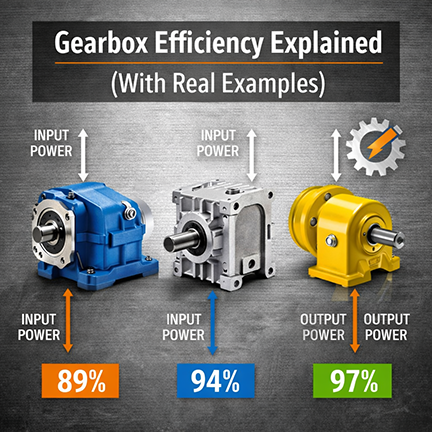
Gearbox Efficiency Explained (With Real Examples)
Gearbox efficiency determines how much input power reaches the output shaft. This article explains gearbox efficiency, where losses occur, and includes real-world examples comparing gearbox types.
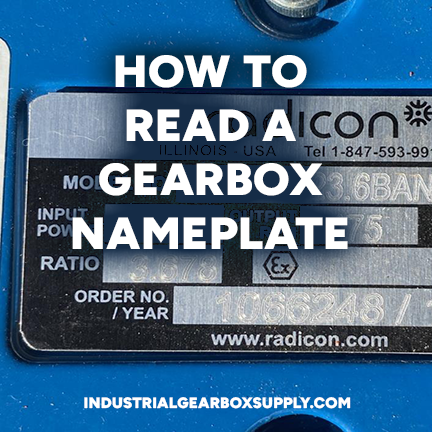
How to Read a Gearbox Nameplate
A gearbox nameplate contains critical operating information. This guide explains how to read a gearbox nameplate, including ratio, torque, RPM, service factor, and lubrication details.
How to Select the Correct Gearbox Ratio
Selecting the correct gearbox ratio is critical for proper speed, torque, and reliability. This article explains how to calculate and choose the right ratio while avoiding common selection mistakes.
Gearbox Speed Reduction Formula Explained
Gearbox speed reduction determines output RPM and torque. This article explains the gearbox speed reduction formula, how to calculate output speed, and how proper ratio selection affects performance and reliability.
How to Calculate Gearbox Torque (Step-by-Step)
Calculating gearbox torque correctly is critical for proper gearbox selection and long-term reliability. This step-by-step guide explains how to calculate input and output torque using horsepower, RPM, efficiency, and service factor.
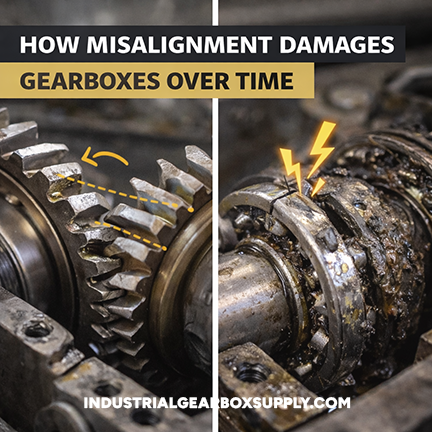
How Misalignment Damages Gearboxes Over Time
Gearbox misalignment causes gradual but serious damage over time. This article explains how misalignment affects gears, bearings, seals, and efficiency, and why early correction is critical to gearbox reliability.
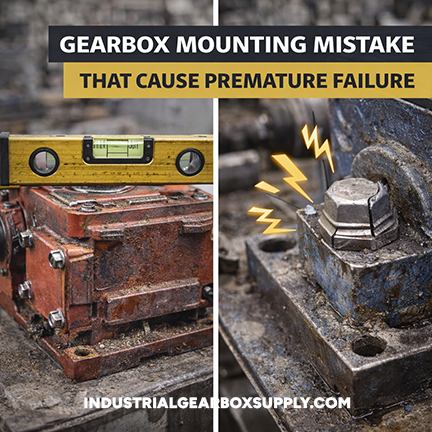
Gearbox Mounting Mistakes That Cause Premature Failure
Improper gearbox mounting is a leading cause of premature failure. This article explains common mounting mistakes, how they damage internal components, and how correct installation practices extend gearbox life.
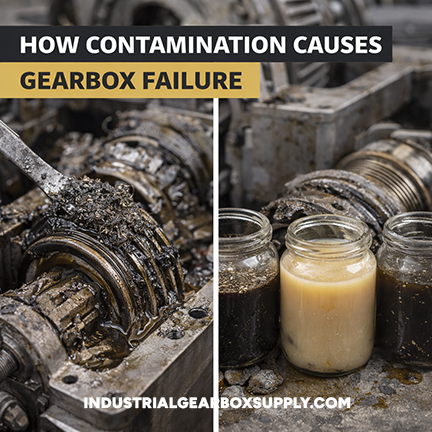
How Contamination Causes Gearbox Failure
Contamination is a leading cause of gearbox failure. This article explains how dirt, water, and wear debris enter gearboxes, damage internal components, and how proper maintenance helps prevent failure.
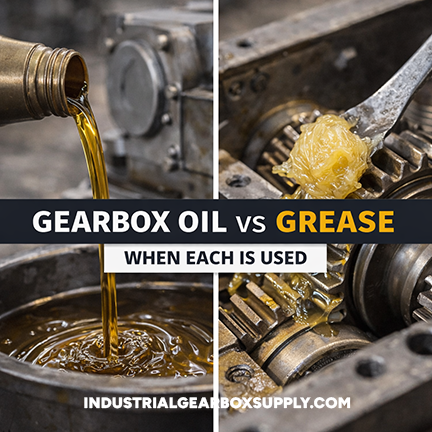
Gearbox Oil vs Grease: When Each Is Used
Gearbox oil and grease are not interchangeable. This guide explains the differences between oil and grease lubrication, when each is used, and how choosing the right option protects industrial gearboxes from overheating and premature wear.
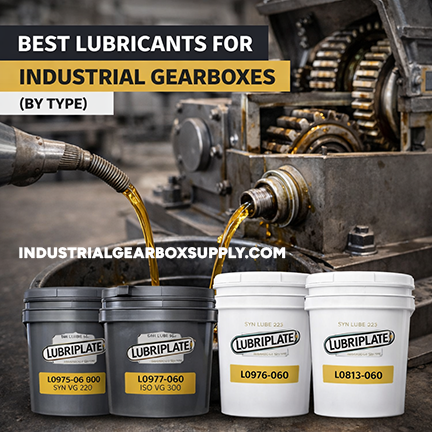
Best Lubricants for Industrial Gearboxes (By Type)
Choose the best lubricant for your industrial gearbox based on type, load, and manufacturer recommendations including Lubriplate oils.