

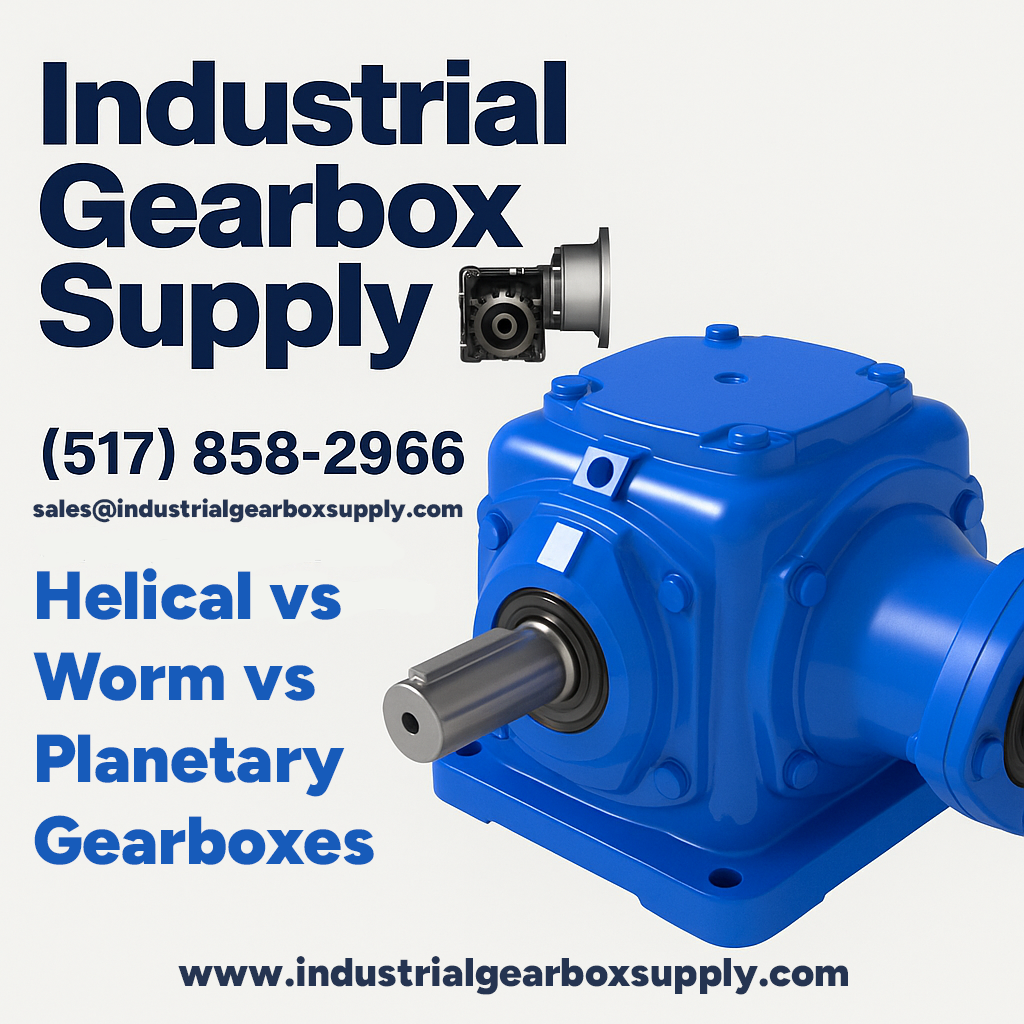
Helical vs Worm vs Planetary Gearboxes: Which One Is Right for You?
Learn the difference between helical, worm, and planetary gearboxes and how to choose the best one for your industrial application. Includes a feature comparison table and free tool recommendations.
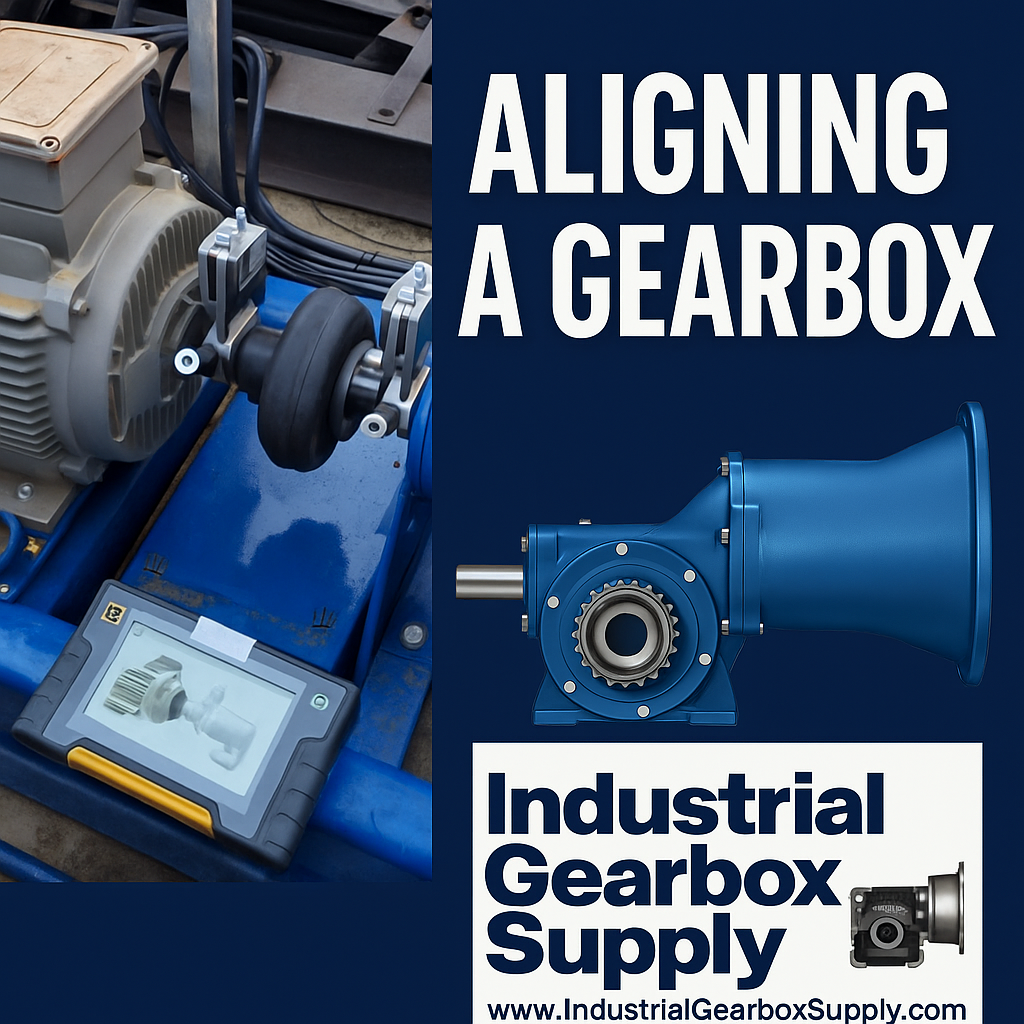
Gearbox Alignment: Why It Matters and How to Do It Right
Misaligned gearboxes can lead to premature failure, excessive vibration, and costly downtime. Learn how proper gearbox alignment protects your equipment, extends gearbox life, and improves efficiency.
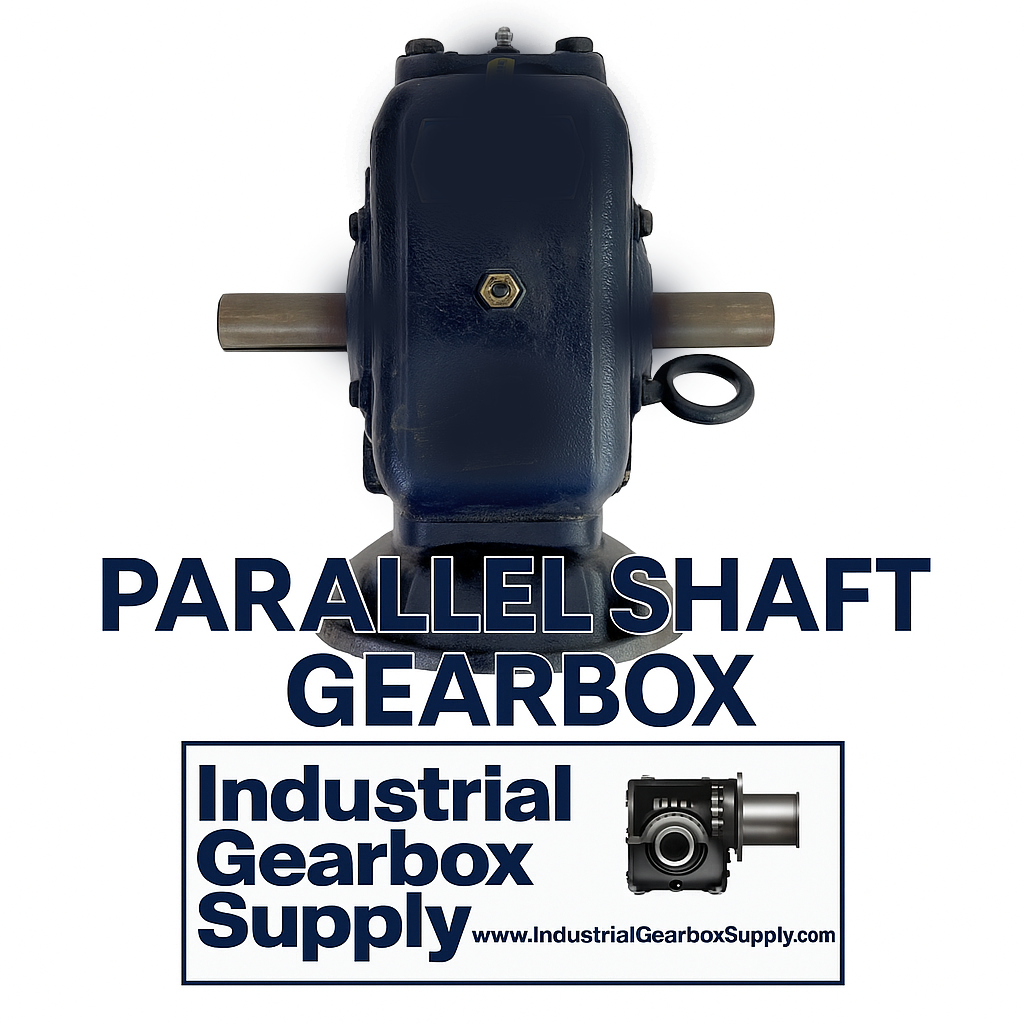
Parallel Shaft Gearbox: Benefits, Applications, and Selection Tips
A parallel shaft gearbox offers efficient torque transmission in a compact design, ideal for conveyors, mixers, and processing equipment. Discover how these gearboxes work, key advantages, and where to buy them.
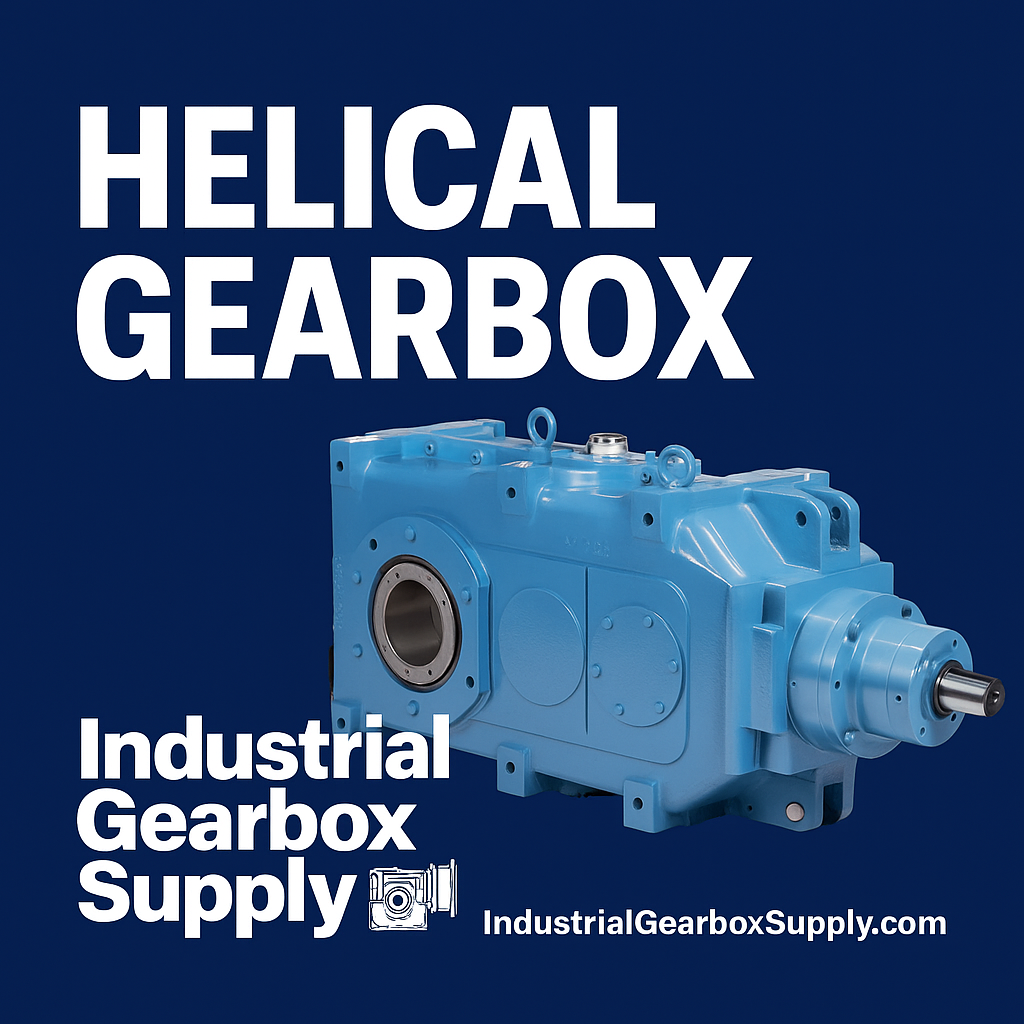
Helical Gearboxes: Efficient Power Transmission for Industrial Applications
Helical gearboxes offer smooth, quiet, and efficient power transmission. Learn how they work, explore key applications, and find out where to get industrial-grade replacements.

Cone Drive Gearbox Replacements: Series B Alternatives and Upgrades
Looking for a Cone Drive Series B replacement? Discover drop-in equivalents and upgrade options available through Industrial Gearbox Supply. Faster lead times, expert matching, and reliable performance.
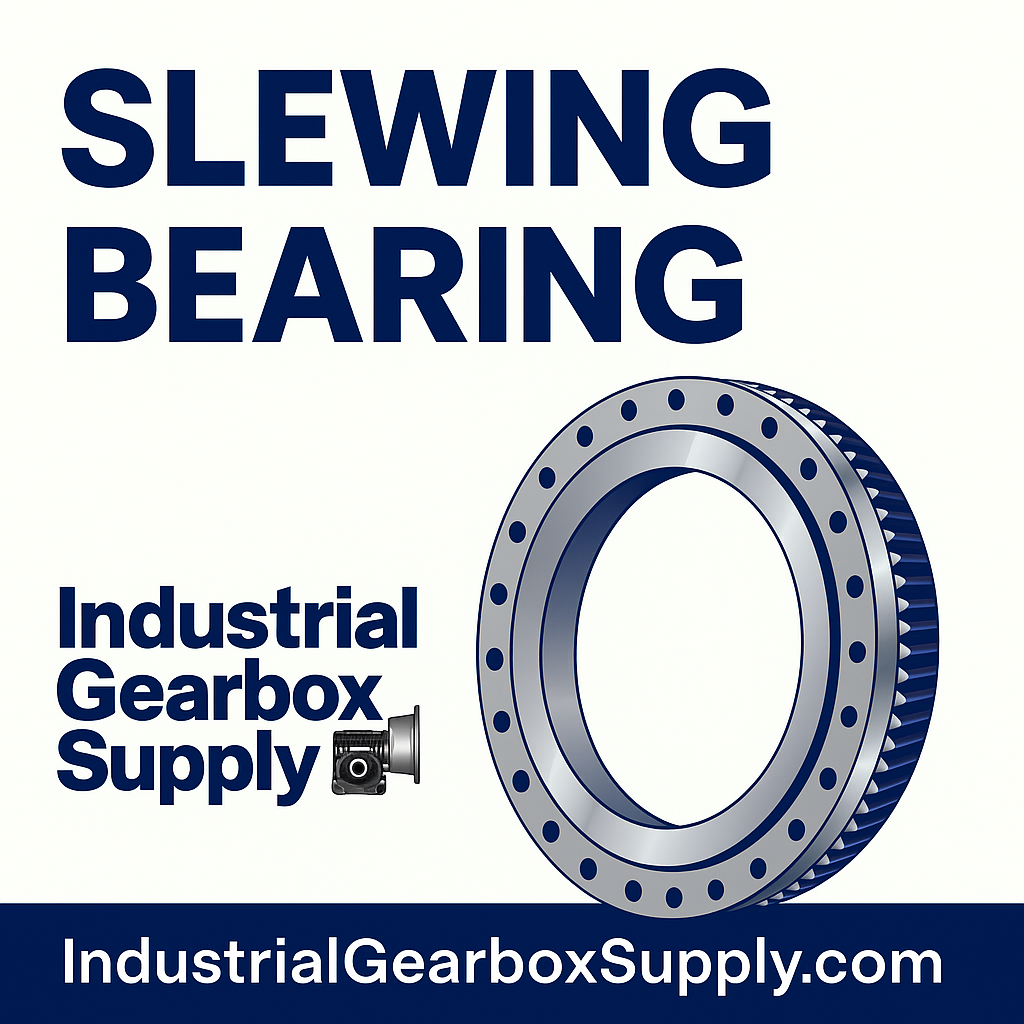
Slewing Bearings: What They Are, Types, and Where They’re Used
Slewing bearings are powerful rotational components used in cranes, robotics, and industrial machinery. Learn about the different types of slew bearings, their benefits, and how to choose the right one for your application.
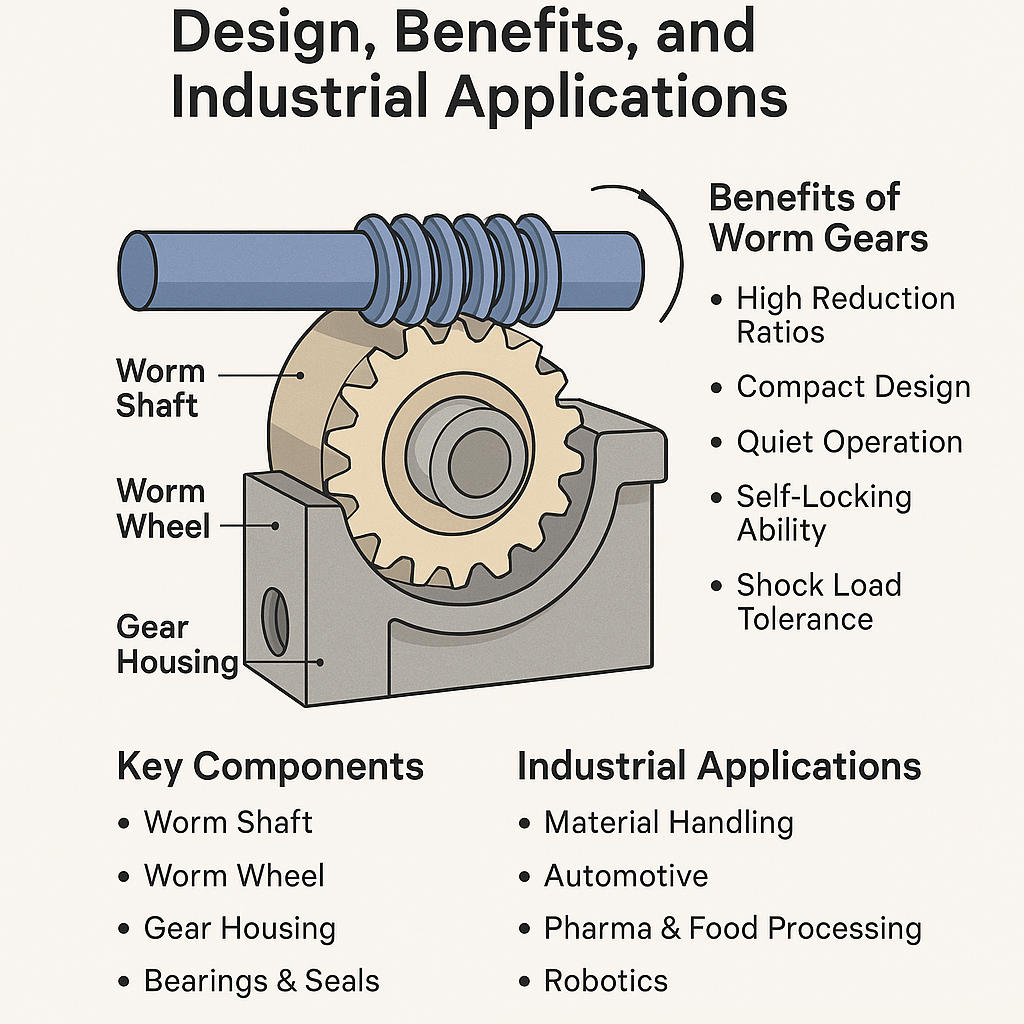
Worm Gears Explained: Design, Benefits, and Industrial Applications
Worm gears are compact, high-ratio systems that deliver smooth, quiet torque transmission. Learn how they work, their benefits, and where to use worm gears in industrial settings.

Gearbox Leaking Fluid: Causes, Fixes, and When to Replace
Dealing with a gearbox leaking fluid? Learn the common causes of gearbox leaks, how to fix them, and when it’s time to repair or replace your industrial gear reducer.
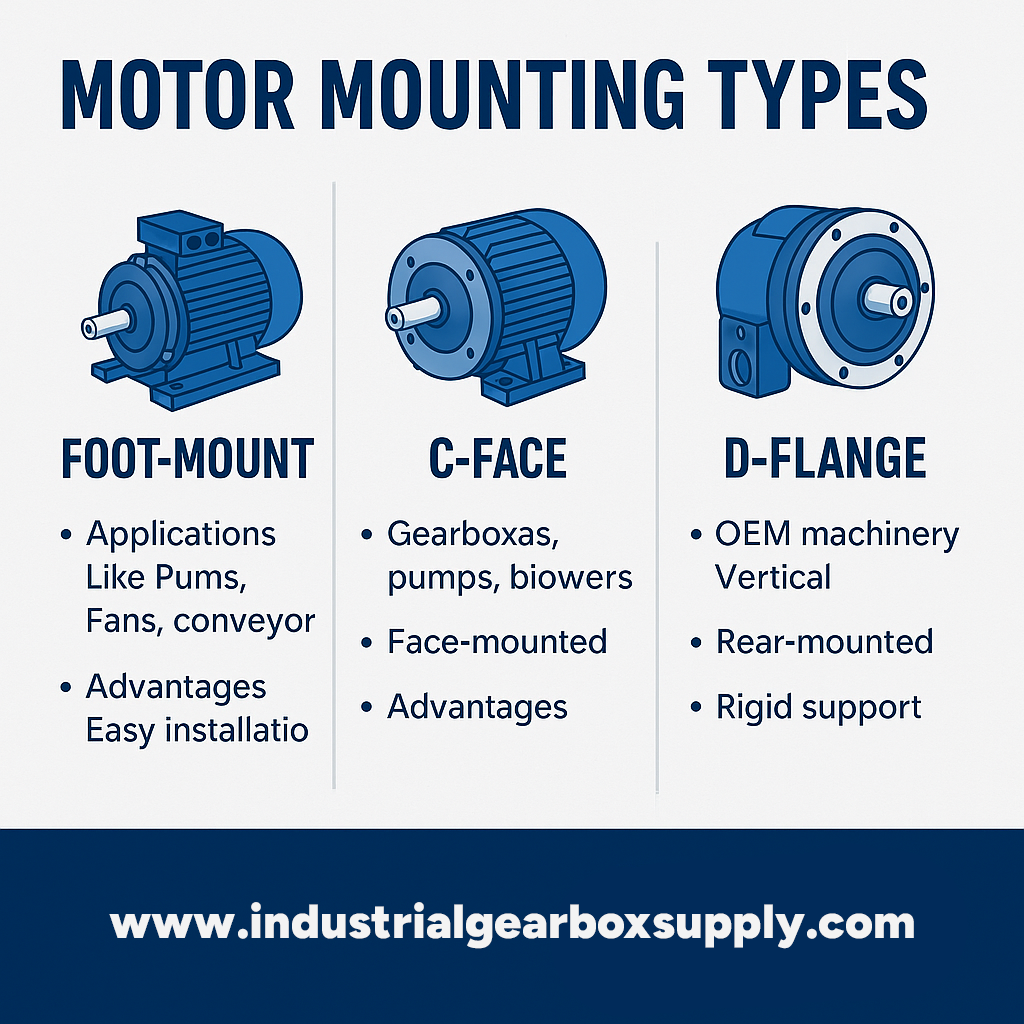
Motor Mounting Types: Foot-Mount, C-Face, and D-Flange
Learn the difference between foot-mount, C-face, and D-flange motors. Understand which ABB NEMA motor mounting type is best for your application and environment.
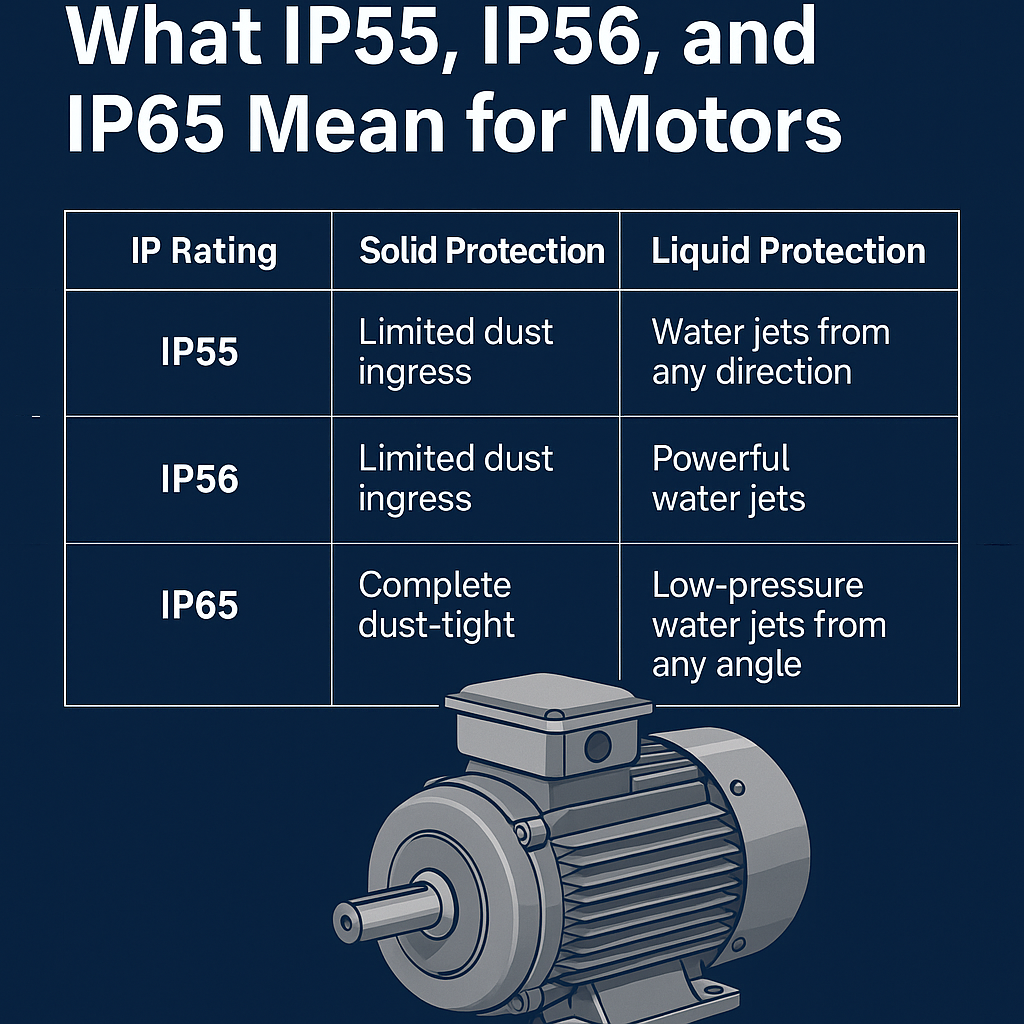
IP Ratings Explained: What IP55, IP56, and IP65 Mean for Motors
Understand the difference between IP55, IP56, and IP65 ratings for electric motors. Learn how each protects against dust and water, and when to choose the right ABB NEMA motor for your application.
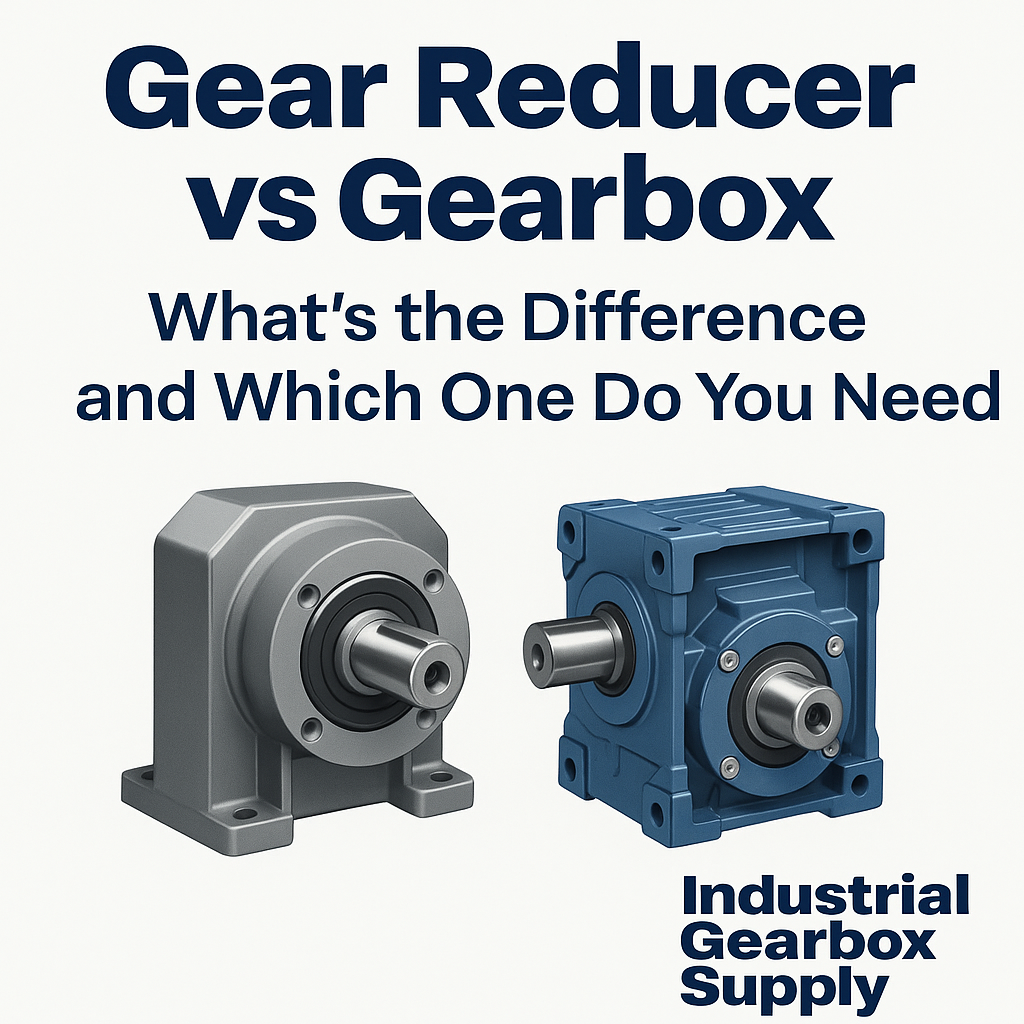
Gear Reducer vs Gearbox: What’s the Difference and Which One Do You Need?
Many people use "gear reducer" and "gearbox" interchangeably, but there are key differences. Learn when to use each term and how it affects your application.
Gearbox Rebuild: Cost-Effective Repair Services for Industrial Gearboxes
Gearbox rebuilds restore full performance at a fraction of replacement cost. Discover the process, benefits, and how Industrial Gearbox Supply delivers expert results.
Industrial Gearbox Types: Choosing the Right Gearbox for Your Application
From helical to planetary, choosing the right gearbox type depends on torque, layout, speed, and application. Explore all major gearbox types in this complete guide.
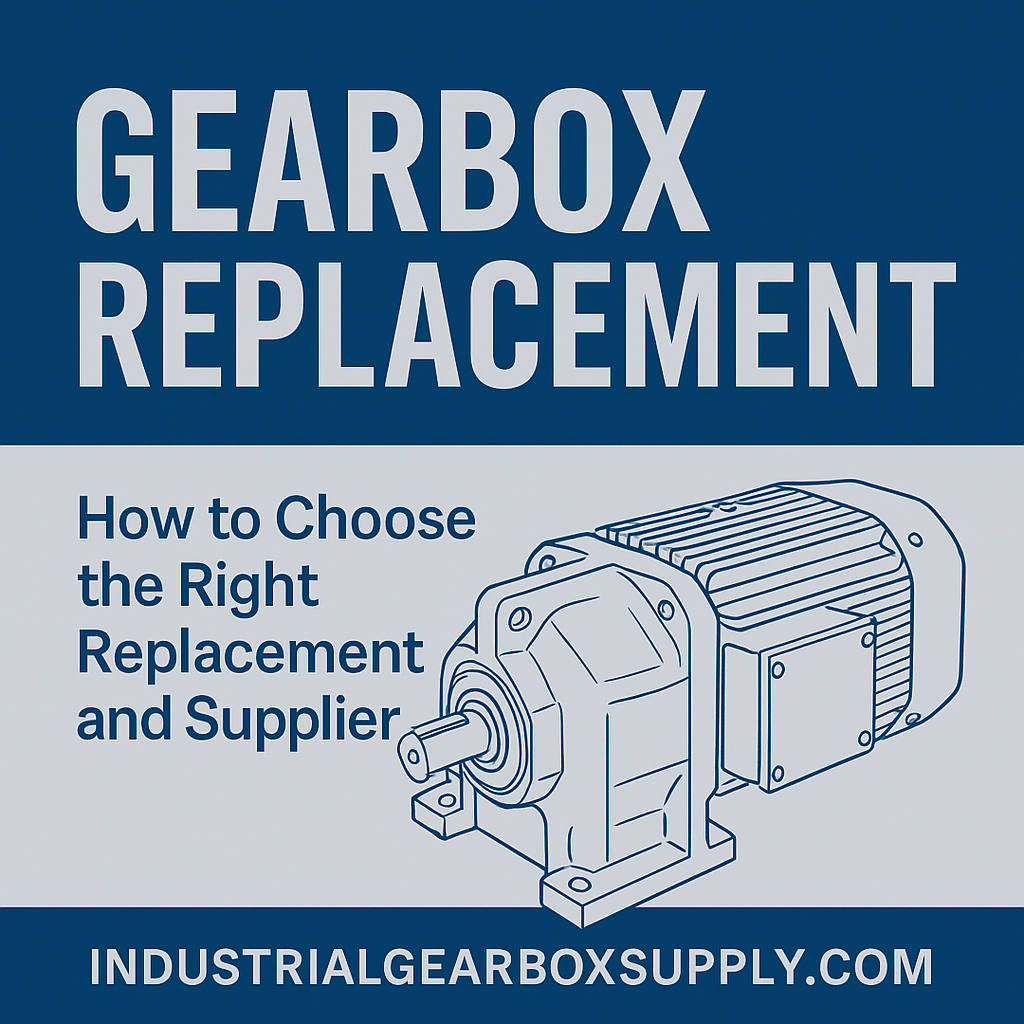
Gearbox Replacement: How to Choose the Right Replacement and Supplier
When your gearbox fails, time is critical. Learn how to choose the right replacement, spot signs of failure, and ensure long-term performance with expert support.
High Efficiency Motors: NEMA Premium® and Energy Savings Explained
High efficiency motors reduce energy costs and meet NEMA Premium® standards. Learn how they work, where they’re used, and what makes ABB motors top-tier.
NEMA Frame Sizes: A Guide to Motor Mounting and Dimensions
NEMA frame sizes determine motor shaft height, bolt spacing, and mounting compatibility. Use our chart and guide to select the right motor frame for your setup.
Explosion Proof Motors: What They Are, How They Work, and Where to Use Them
Explosion proof motors are built for safety in hazardous environments. Learn how they work, NEMA class/division ratings, and how to choose the right one.
NEMA Enclosure Types: What They Mean and Why They Matter
NEMA enclosure types protect motors in different environments. Learn what the ratings mean, how to choose the right enclosure, and why it matters for longevity.
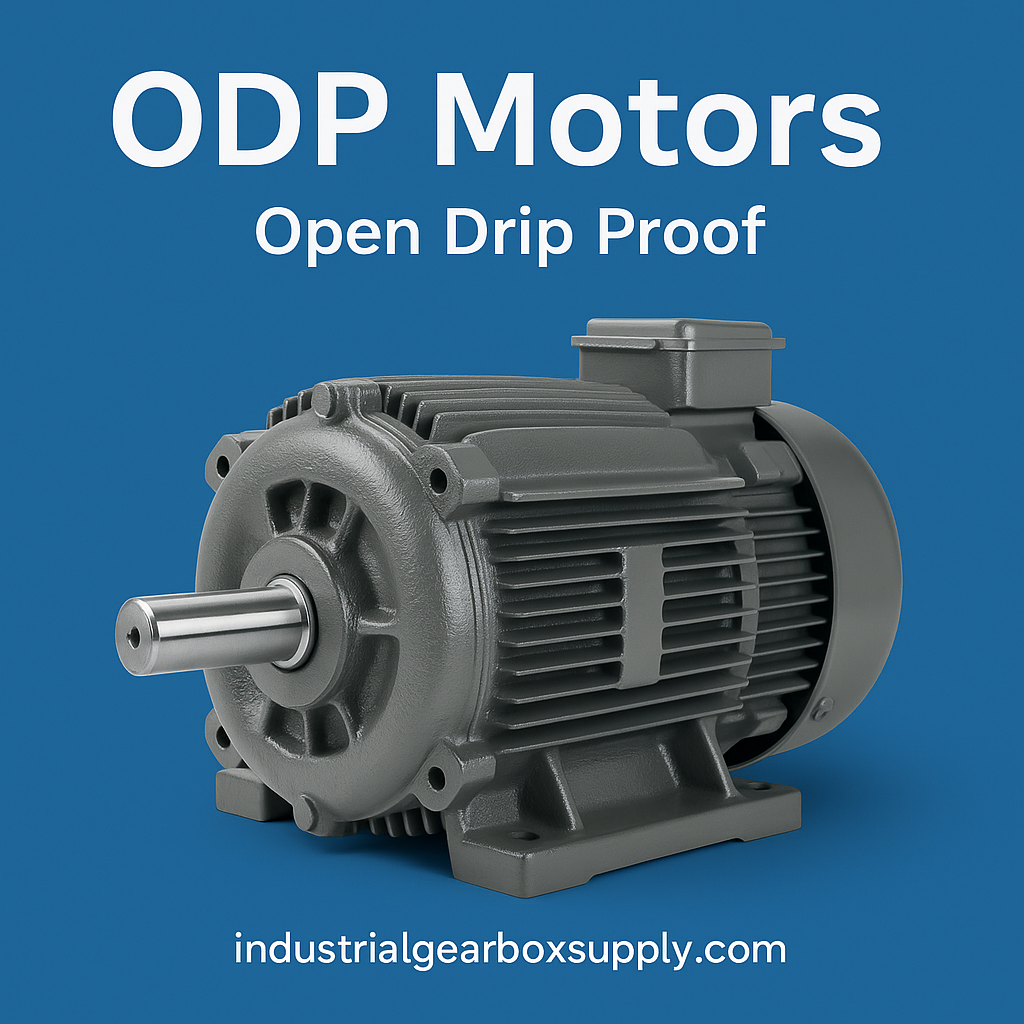
ODP Motors: What They Are, Advantages, and When to Use Them
ODP motors offer efficient airflow cooling and affordability for clean, indoor environments. Discover their benefits and best applications in industrial settings.
TEFC Motors: What They Are and Why They’re Preferred in Industrial Settings
TEFC motors offer sealed protection and external cooling, making them ideal for tough environments. Learn their advantages, uses, and how to select the right one.